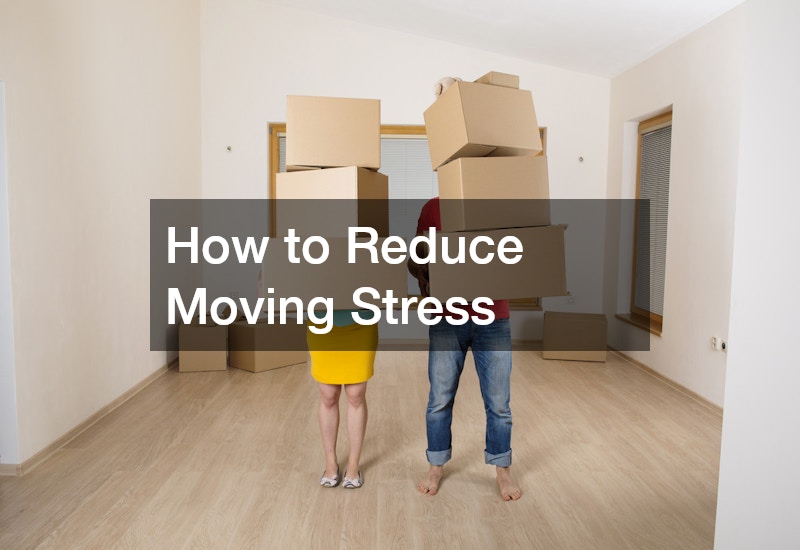

Moving to a new home is often described as one of life’s most stressful experiences. Between packing, planning, and adjusting to a new environment, it’s easy to feel overwhelmed. However, with the right strategies in place, moving doesn’t have to be chaotic or exhausting. By approaching the process with organization, preparation, and a focus on both practical and emotional well-being, individuals and families can significantly reduce stress and enjoy a smoother transition into their new space.
How to Plan an Efficient Move
Creating a Moving Timeline
One of the most effective ways to reduce moving stress is by creating a clear and realistic timeline. Rather than leaving everything until the last minute, break the process into manageable steps spread out over several weeks.
Start by setting key dates, such as when to begin packing, notifying utility companies, and scheduling movers.
A timeline helps ensure that nothing is overlooked. For example, you can dedicate one week to decluttering, another to packing non-essential items, and the final days to essentials. Having a structured plan not only keeps you on track but also provides peace of mind, knowing that each task has its place and time.
Budgeting for the Move
Financial surprises can quickly add to moving stress, which is why creating a detailed budget is essential. Begin by estimating major costs such as transportation, packing supplies, and moving services. Then, account for smaller or hidden expenses like utility deposits, cleaning services, or temporary storage.
Setting aside a contingency fund can also help you handle unexpected costs without panic. By having a clear financial plan, you reduce uncertainty and ensure that your move stays within manageable limits.
Hiring the Right Moving Company
Choosing the right moving company can make or break your moving experience. Take time to research and compare options, reading reviews and verifying credentials. Whether you’re hiring a large company or a local mover, reliability and professionalism should be top priorities.
Ask important questions before making a decision: Are they licensed and insured? Do they provide a written estimate? What services are included? A trustworthy company will be transparent and willing to address your concerns. Making the right choice here can significantly reduce both physical and mental strain during the move.
How to Pack Effectively
Organizing Your Items
Packing becomes far less stressful when your belongings are organized beforehand. Start by sorting items into categories such as keep, donate, sell, or discard. This not only reduces the number of items you need to move but also creates a sense of control over the process.
Group similar items together and pack room by room. This method simplifies both packing and unpacking, allowing you to quickly locate essentials once you arrive at your new home. Organization at this stage lays the foundation for a smoother overall experience.
Using the Right Packing Materials
Using appropriate packing materials is crucial for protecting your belongings and minimizing potential damage. Invest in sturdy boxes, bubble wrap, packing paper, and strong tape. Fragile items such as glassware and electronics should be wrapped carefully and placed in reinforced boxes.
It’s also helpful to use specialized materials when needed, such as wardrobe boxes for clothing or padded covers for furniture. Proper packing not only safeguards your items but also reduces the stress of worrying about potential breakage during transit.
Labeling and Inventory Management
A clear labeling system can save you countless hours and headaches. Label each box with its contents and the room it belongs to. Consider using color-coded labels or markers to make identification even easier.
In addition to labeling, maintaining a simple inventory list can be incredibly helpful. This allows you to keep track of all your belongings and quickly identify if anything is missing. An organized system ensures that unpacking is efficient and that you can settle into your new home with minimal frustration.
How to Handle Emotional Stress
Preparing for Changes
Moving is not just a physical process—it’s an emotional one as well. Leaving behind familiar surroundings, routines, and sometimes even relationships can be challenging. Taking time to mentally prepare for these changes can make a significant difference.
Focus on the opportunities that come with a new home, whether it’s a fresh start, a better environment, or new experiences. Maintaining a positive outlook helps ease the transition and allows you to approach the move with a sense of excitement rather than anxiety.
Managing Stress with Relaxation Techniques
Incorporating relaxation techniques into your routine can help keep stress levels under control. Simple practices such as deep breathing, meditation, or short breaks throughout the day can make a noticeable difference.
Time management also plays a key role in reducing stress. Avoid overloading yourself with too many tasks at once, and allow time for rest. Even during a busy move, taking care of your mental and physical well-being is essential for staying balanced and focused.
Reducing moving stress is all about preparation, organization, and support. By creating a detailed timeline, setting a realistic budget, and choosing the right moving company, you can establish a strong foundation for a smooth move. Effective packing strategies and proper labeling further streamline the process, while addressing emotional well-being ensures you remain balanced throughout the transition.
Ultimately, moving doesn’t have to be a stressful ordeal. With a proactive approach and the help of others, you can navigate the process with confidence and ease, turning what might seem like a daunting task into a manageable and even rewarding experience.