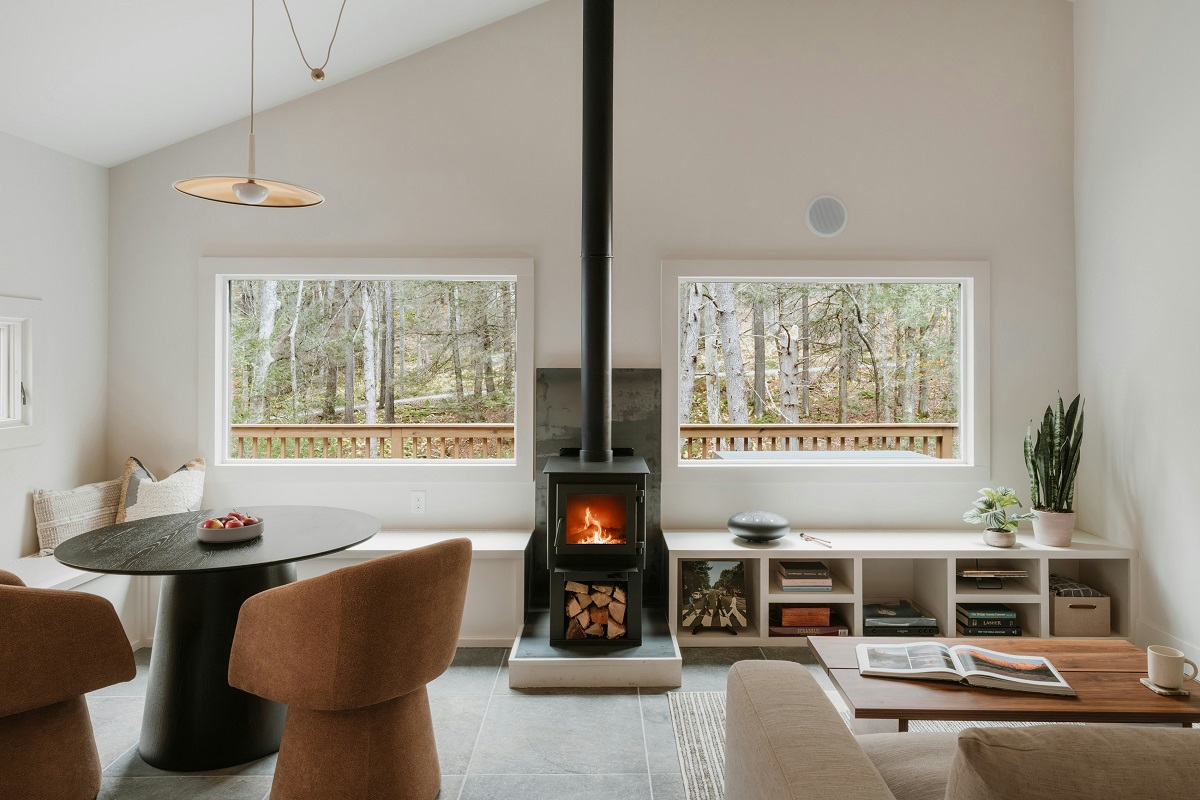

Moving into a new home during the colder months brings a unique kind of challenge. The air is sharp, the daylight is short, and the boxes seem to multiply overnight. You want warmth, softness, and a sense of calm the moment you walk through the door, but the practical side of settling in keeps pulling your attention elsewhere.
The good news is that creating a snug, welcoming space during a winter move does not require a full renovation or a decorator on speed dial. It takes a clear plan, a few smart purchases, and a willingness to tackle the house one room at a time. Warmth is layered in gradually, not conjured all at once.
What follows is a step-by-step walkthrough you can actually use. Whether you just handed back the keys to your old place or you are still staring at a living room full of brown cardboard, these steps will help you turn a cold, echoey house into somewhere you genuinely want to come home to.
Start With a Clean, Dry Foundation
Before you drag in a single rug or hang a single curtain, give the floors and entryways a proper once-over. Winter moves track in slush, salt, road grit, and whatever the moving crew’s boots picked up on the driveway. All of that ends up ground into your flooring for months if you do not deal with it on day one.
According to Best Life Online, research from the University of Arizona found that 90 percent of the bacteria on shoes transfers straight onto home floors, which is a pretty strong argument for a serious entry mat and a strict shoes-off rule from the start. A clean slate also means your rugs, blankets, and upholstered furniture stay cleaner for longer.
Walk through the house with a short checklist before you start unpacking the cozy stuff:
- Vacuum and mop every room, especially corners near baseboards
- Place heavy-duty absorbent mats at every exterior door
- Set up a boot tray and a basket for wet gloves and hats
- Wipe down window sills where condensation collects
- Check that heating vents are clear of dust and debris
Spending one focused afternoon on this stage pays off for the entire winter. Everything you add from this point sits on a surface you actually trust.
Build Warmth in Layers, Room by Room
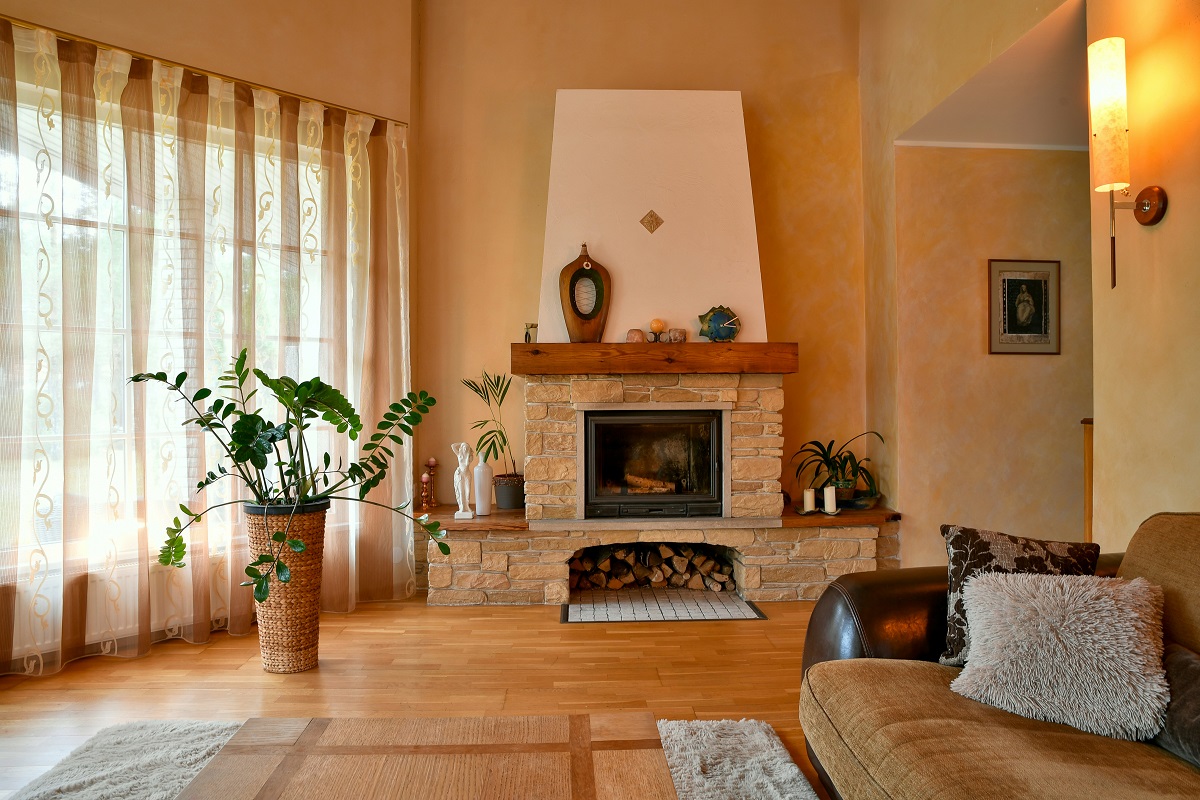
A cold house does not get cozy because you cranked the thermostat. It gets cozy because the surfaces you touch feel warm, the light is soft, and the air does not bite. The trick is to layer textures the same way you would layer clothing on a cold morning.
Start with the floor, since that is where the chill creeps in first. A wool or thick-pile rug under the main seating area instantly changes how a room feels. Then move up to the furniture, adding throw blankets in chunky knits, flannel, or sherpa. Finish with pillows in heavier fabrics like velvet, boucle, or corduroy. Each layer traps a little warmth and softens the acoustics of a half-empty room.
Prioritize the Rooms You Actually Live In
Resist the urge to style every room at once. Focus on the living room and the main bedroom first, because those are the two spaces where you will feel the benefits most quickly. A warm bed and a soft couch can carry you through weeks of unpacking the rest of the house. The dining room and guest spaces can wait their turn without anyone suffering for it.
How Do You Make Lighting Feel Less Harsh?
Winter light is already thin and blue. Overhead fixtures full of cool white bulbs make the problem worse, flattening every room and making a half-furnished space feel like a waiting room. Lighting is one of the fastest and cheapest ways to change the mood of a home during a move.
Swap out at least a few bulbs for warm white options in the 2700K range. Then add table lamps, floor lamps, and small accent lights so you are not relying on a single ceiling fixture. Three light sources at different heights will do more for a room than any piece of furniture you can buy.
- Replace harsh bulbs with warm white in the 2700K to 3000K range
- Add a floor lamp in the darkest corner of each main room
- Use dimmer switches or smart bulbs where you can
- Place a small lamp on the kitchen counter for evening cooking
- String fairy lights along a mantel, shelf, or window frame
The goal is pools of light rather than one bright overhead glare. When you walk in from a dark, freezing driveway, those pools of warm light feel like an actual welcome.
Tackle the Practical Side Before the Pretty Side
Here is where a lot of winter movers trip up. They start arranging throw pillows before they have confirmed the furnace works properly or checked for drafts around the windows. Then a cold snap hits and the cozy fantasy collapses because the house cannot hold heat.
Before you get too deep into styling, take a weekend to address the mechanical basics. Consumer Reports notes that, according to Home Advisor figures, a burst pipe can run about $500 to fix and cause up to $3,000 in further damage to the rest of the house. That is a decorating budget wiped out in a single night of frozen plumbing.
Working through solid Tips For Moving In Winter Post Move Maintenance For Your New Home will save you from the worst of these headaches. Think of it as the invisible layer of coziness. You can also find a helpful rundown of winter move-in maintenance steps that covers the mechanical essentials in more detail.
- Change the furnace filter and schedule a service check
- Insulate exposed pipes in the basement, garage, and crawl spaces
- Seal drafty windows with weatherstripping or temporary film
- Reverse ceiling fans to push warm air downward
- Test smoke and carbon monoxide detectors in every bedroom
Approach Design & Decor With a Seasonal Mindset
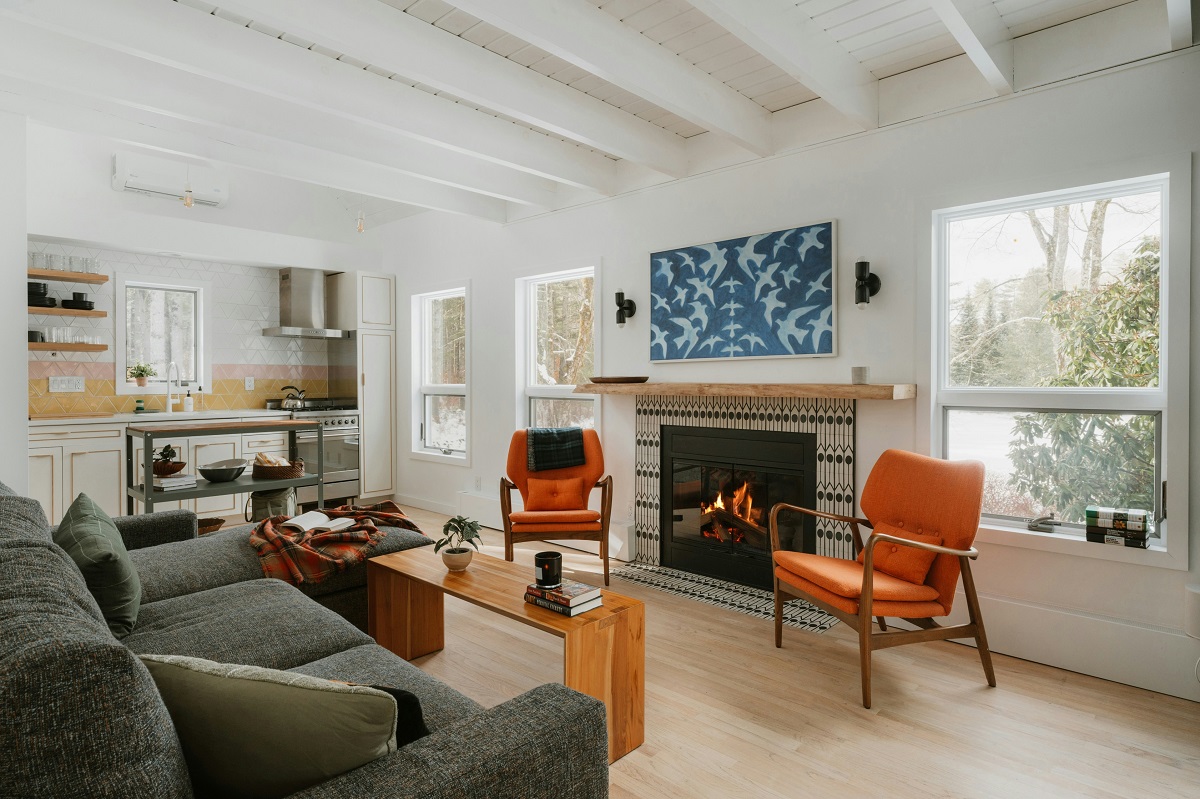
Now the fun part. Once the house is clean, warm, and mechanically sound, you can start making choices that lean into the season rather than fighting it. A winter move is actually a gift in disguise, because it forces you to think about how a home performs when the weather is at its worst. The furniture arrangements, color choices, and materials you pick now will feel right for the hardest months of the year, and the lessons you learn in January about drafty corners, awkward light, and cold floors will inform every styling decision you make later. In many ways, moving in winter gives you a head start that people who relocate in June simply do not get.
Look at your existing pieces with fresh eyes before buying anything new. Pull the sofa a little further from exterior walls so cold air does not seep into the cushions. Angle seating toward a focal point like a fireplace, a window with a good view, or even a well-styled bookshelf. A room that has a clear center of gravity feels more intentional, even when half your belongings are still in boxes. Pay attention to how the light moves through each room during these shorter days, too. A chair that felt perfectly placed in your last home might be sitting in a dark corner here, and a quick rearrangement could put it exactly where the afternoon sun lands. Lay down an area rug to insulate cold hardwood or tile, and consider doubling up with a smaller rug layered on top for texture and extra warmth underfoot.
Lean Into Winter-Friendly Materials
The materials that feel best in January are not the same ones that shine in July. When you are weighing Design & Decor decisions during a cold-weather move, think about what your hands and feet will actually touch between now and spring. Linen slipcovers can wait. Wool, cashmere blends, heavy cotton, leather, and natural wood all pull their weight when the temperatures drop. These materials do not just look warmer, they actually behave warmer, holding heat against your skin and absorbing sound in a way that makes a room feel softer and more enclosed. That acoustic quality matters more than people realize during winter, when windows stay shut and every echo in an empty new house feels amplified.
Think in terms of layers, the same way you would dress for a walk outside. A bed with just a duvet feels sparse in February, but the same bed with a quilt, a wool throw folded at the foot, and a couple of textured pillows feels like somewhere you actually want to be. Apply the same logic to sofas, benches, and reading nooks. Following Tips For Moving In Winter Post Move Maintenance For Your New Home means recognizing that comfort and function are the same conversation this time of year.
- Swap lightweight curtains for lined or thermal panels
- Add a sheepskin or faux fur throw to a reading chair
- Choose ceramic, stoneware, or wood serving pieces over glass
- Bring in dried grasses, eucalyptus, or evergreen clippings
- Use candles with warm notes like cedar, vanilla, or amber
- Layer rugs in high-traffic areas to buffer cold floors
- Introduce warm metals like brass or aged bronze through small accents
None of these changes require a big budget. Most of them are small swaps that quietly shift the character of a room without demanding a trip to the furniture store. Many can be pulled from boxes you have not fully unpacked yet, repurposed from another room, or sourced inexpensively from a local shop on a weekend errand. The goal is not a magazine-ready reveal in the first week. It is a home that feels a little more like yours every time you walk through the door, even while snow is still piling up on the driveway.
Create Small Rituals That Make the House Feel Lived In
A house becomes a home faster when you start using it, not just filling it. During a winter move, the days are short and the temptation to work on boxes until midnight is real. Push back against that by carving out small daily rituals in the rooms you have already set up.
Make coffee at the same spot every morning. Light a candle when you sit down to answer emails. Keep a blanket folded on the arm of the couch so there is no friction between wanting to relax and actually relaxing. These habits sound minor, but they are the glue that turns unfamiliar square footage into a place that feels like yours.
Invite someone over earlier than you think you are ready. A friend dropping by for soup forces you to clear a surface, light a lamp, and treat the half-finished house as a real home. You will be surprised how much progress a single evening of hosting can push you to make.
Give Yourself Permission to Finish Later
The last piece of advice is the one most people need to hear. You do not have to have every room styled by New Year’s. The best interiors are built over time, and a winter move is not the moment to chase a magazine-ready result. Focus on warmth, function, and a handful of rooms that bring you comfort every day. Everything else can evolve as you learn how you actually live in the space.
Keep a running list of what each room still needs, but store it somewhere you can ignore for weeks at a time. The pressure to finish quickly is usually self-imposed, and it tends to lead to purchases you regret by spring. A slower pace lets you notice where the afternoon light lands, which corner feels coldest, and where you keep wishing a lamp would appear.
Closing Thoughts
A winter home transition asks a lot of you. You are managing logistics, battling the weather, and trying to make a strange house feel like yours, often all in the same week. The way through is not a burst of effort but a series of small, deliberate layers: a clean foundation, warm textures, soft lighting, sound mechanicals, and seasonal choices that work with the cold instead of against it.
If you focus on the rooms you use most, prioritize comfort over perfection, and give the practical work the attention it deserves, the rest tends to fall into place. By the time the first real thaw arrives, you will have a home that already knows how to take care of you, and you will have the confidence to keep refining it through the seasons ahead.
Cozy is not a style you buy. It is the result of a house that is warm where it needs to be, soft where you touch it, and lit in a way that welcomes you back at the end of a long, cold day. Build toward that, one room at a time, and the move will feel less like an ordeal and more like the start of something good.