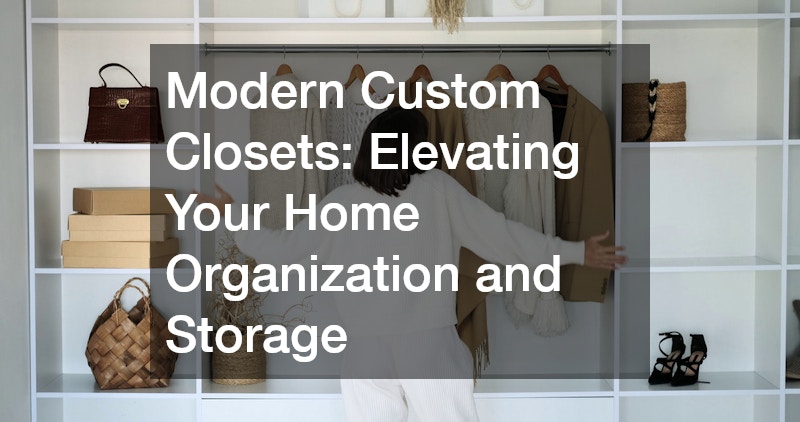

Modern Custom Closets: Elevating Your Home Organization and Storage
The concept of the home has undergone a radical transformation over the last decade. No longer is a house merely a place to sleep and eat; it has become an office, a gym, a sanctuary, and a classroom. As the functions of our living spaces have multiplied, the environmental toll has become more evident. Clutter is no longer just a nuisance; it is a source of cognitive load that can heighten stress and diminish productivity. This is why the movement toward bespoke storage is not merely a trend in interior design, but a fundamental shift in how we manage our mental and physical well-being.
When we think about the most underutilized real estate in a home, we often look to the walls, but we rarely look behind the doors. Traditional storage solutions were designed with a “one size fits all” mentality- a single rod and a high shelf that leaves vast amounts of dead space. By reimagining these areas, we can unlock the hidden potential of our homes, creating a sense of order that ripples through every other aspect of our lives. This guide is a deep dive into the world of high-end storage, designed to help you navigate the complexities of layout, material, and long-term functionality.
The Psychology of a Curated Environment
Before picking up a drill or a tape measure, it is essential to understand why we are drawn to order. Human beings are pattern-seeking creatures. When we enter a room where every item has a designated “home,” our brains can relax. We are no longer subconsciously scanning the environment for misplaced items or calculating the “to-do” list associated with a pile of laundry.
Effective storage solutions do more than just hide our belongings; they curate them. By investing in high-quality home organization, residents can reclaim hours of their week that were previously spent searching for keys, matching shoes, or digging through overflowing bins. This transition from a reactive lifestyle- where you are constantly fighting against the mess- to a proactive one is the hallmark of a modern, well-designed residence.
- Visual Quiet:
- Reducing the number of visible items helps lower cortisol levels.
- Efficiency:
- A streamlined morning routine can save up to 15 minutes a day, totaling over 90 hours a year.
- Property Value:
- High-end custom closets are one of the most requested features by modern homebuyers, often providing a significant return on investment during a sale.
Selecting the Right Partners for Your Project
Embarking on a storage renovation is a significant undertaking that requires a blend of architectural insight and craftsmanship. While the “do-it-yourself” spirit is commendable, the complexities of load-bearing shelves and ergonomic heights often necessitate professional intervention. This is where the expertise of reputable custom closet companies becomes invaluable. These specialists bring a wealth of knowledge regarding weight distribution, material longevity, and the latest in hardware technology.
The process usually begins with a consultation where your specific needs are mapped against the physical constraints of your home. A professional designer will look at your wardrobe- counting your long-hang items versus short-hang, and measuring your shoe collection- to ensure the final product is a perfect fit. Furthermore, professional closet installation ensures that the units are securely anchored to the wall studs, preventing the sagging or collapse that often plagues cheaper, store-bought kits. A master installer understands that even the most beautiful design is useless if it cannot withstand the weight of a full winter wardrobe.
Maximizing Small-Scale Footprints
Not every home is blessed with a massive dressing room. In many urban environments or older architectural styles, we are forced to work within the confines of reach-in closets. These spaces are notorious for becoming “black holes” where items in the back corners are forgotten for years. However, a small footprint is not an excuse for poor functionality; in fact, small spaces often require more rigorous design than large ones.
To maximize these areas, designers often employ a “zone” strategy:
- The Active Zone:
- Eye-level space for the items you wear every day.
- The Secondary Zone:
- Below the waist for shoes and heavy denim.
- The Archive Zone:
- The highest shelves are for seasonal items or luggage.
By implementing advanced closet organization techniques, such as using slimline hangers and tiered jewelry drawers, you can effectively triple the usable surface area of a standard wall closet. It is about moving away from the “rod and shelf” legacy and toward a modular approach that respects the specific dimensions of your belongings.
Aesthetic Enhancements and Finishing Touches
Once the internal structure is finalized, the focus shifts to the outward-facing elements of the design. The exterior of your storage system should be a reflection of your home’s overall aesthetic. This is where the choice of custom closet doors becomes a pivotal design decision. Whether you prefer the clean lines of a contemporary slab door or the traditional elegance of a shaker-style panel, the door is what bridges the gap between the utility of the closet and the decor of the bedroom.
In some cases, you may have existing built-ins that are structurally sound but visually dated. This is where cabinet painting services offer a brilliant middle ground. A professional finish can transform dark, heavy wood into a bright, airy focal point, or add a bold “pop” of color to a nursery or home office. This allows for a high-end look without the cost of a full tear-out, ensuring that your storage solutions evolve alongside your changing tastes in interior design.
Comprehensive Systems for Every Room
Modern storage is no longer confined to the bedroom. The most efficient homes utilize a holistic approach that addresses the needs of every room, from the entryway to the utility area. High-performance custom closet systems are now being integrated into home offices to hide printers and cabling, and into craft rooms to organize supplies. The goal is to create a “unified storage language” throughout the house, where the materials and finishes feel consistent.
Consider the following areas for a storage upgrade:
- The Mudroom:
- Built-in cubbies for every family member to prevent “shoe sprawl” at the front door.
- The Pantry:
- Vertical dividers for baking sheets and deep pull-out baskets for bulk goods.
- The Laundry Room:
- Overhead cabinetry to keep cleaning chemicals out of reach of children while providing a dedicated folding station.
When these systems are designed with a focus on ergonomics-placing the most used items within a 30-inch “strike zone” – the house begins to work for the inhabitant, rather than the other way around.
Reclaiming the Utility of the Garage
For many, the garage is the final frontier of home clutter. It becomes a graveyard for half-finished projects, holiday decorations, and sports equipment. However, with the right cabinetry, the garage can become a high-functioning extension of the home. Heavy-duty garage storage cabinets are essential here, as they must be able to withstand temperature fluctuations and moisture while supporting the weight of power tools or automotive supplies.
By moving items off the floor and into sealed, wall-mounted units, you not only protect your gear from pests and dust but also reclaim the floor space needed to actually park a vehicle. A well-organized garage often utilizes slat-wall systems for frequently used items like rakes and shovels, while the enclosed cabinets hide the visual chaos of bins and boxes. This approach to whole-house storage ensures that no square inch is wasted, turning a chaotic utility space into a streamlined workshop or hobby area.
Sustainability and Longevity in Materials
As we become more conscious of our environmental footprint, the materials we choose for our home upgrades take on new importance. High-quality storage should be built to last a lifetime, reducing the need for the “fast furniture” cycle that fills landfills. When selecting materials, look for low-VOC (Volatile Organic Compound) finishes and sustainably sourced wood products.
Longevity is also a matter of adaptability. A nursery closet that features adjustable shelving can eventually be reconfigured to hold the sports gear of a teenager and later the professional wardrobe of a young adult. This versatility is the hallmark of a truly sustainable design. By investing in quality from the start, you ensure that your storage solutions are as durable as they are beautiful, standing up to the rigors of daily use for decades.
The Role of Integrated Lighting and Hardware
A significant but often overlooked aspect of high-end storage is the integration of specialized illumination. Even the most sophisticated custom closet systems lose their effectiveness if you cannot distinguish between navy blue and black garments in the early morning hours. Modern design favors “cool-to-the-touch” LED strip lighting that can be recessed into the shelving’s side panels. This creates a “ribbon” of light that evenly illuminates every shelf, eliminating the shadows cast by traditional overhead fixtures.
Furthermore, the hardware you choose acts as the tactile interface of your storage. High-quality soft-close hinges and drawer slides are essential for a premium feel, ensuring that the daily act of getting dressed is a quiet, fluid experience. When you work with professional custom closet companies, you gain access to architectural-grade hardware that is often unavailable at retail stores, including specialized racks for ties, belts, and even hidden safes for jewelry. These small details transform a simple storage unit into a luxurious, personalized gallery for your belongings.
- Motion Sensors:
- Install sensors that trigger the lights as soon as the door opens, adding a layer of convenience and energy efficiency.
- Color Temperature:
- Aim for a “natural daylight” spectrum (around 4000K to 5000K) to ensure your clothing colors appear accurate.
- Tension Rods and Pulls:
- Choose ergonomic handles that match the metal finishes throughout your master suite for a cohesive look.
Maximizing Transitional Spaces and Home Offices
The philosophy of bespoke storage shouldn’t stop at the bedroom or the garage; it should extend into the home’s “in-between” spaces. Hallways, landings, and home offices are often wasted areas that, with the right approach, can become pillars of home organization. For example, a wide hallway can be outfitted with shallow-depth cabinetry to house linens or media collections without impeding foot traffic. These “hidden” storage zones are perfect for items that don’t have a natural home elsewhere, such as board games, gift-wrapping supplies, or bulky winter blankets.
In the modern home office, a clutter-free environment is paramount for focus. Custom-built units can hide unsightly peripherals, such as printers, routers, and charging stations, behind elegant custom closet doors. This allows the room to function as a professional workspace during the day and a clean, relaxing environment in the evening. By applying the same rigorous standards to your office as you do to your closet organization, you create a seamless flow throughout the entire house.
- The “Landing Strip”:
- Create a dedicated space near the entrance for mail, keys, and tech charging to prevent clutter on the kitchen counter.
- Vertical Filing:
- Use custom drawers designed specifically for legal or letter-sized documents to eliminate the need for ugly metal filing cabinets.
- Display vs. Storage:
- Use open shelving for books and awards, while keeping messy office supplies behind closed doors to maintain a “minimalist” visual field.
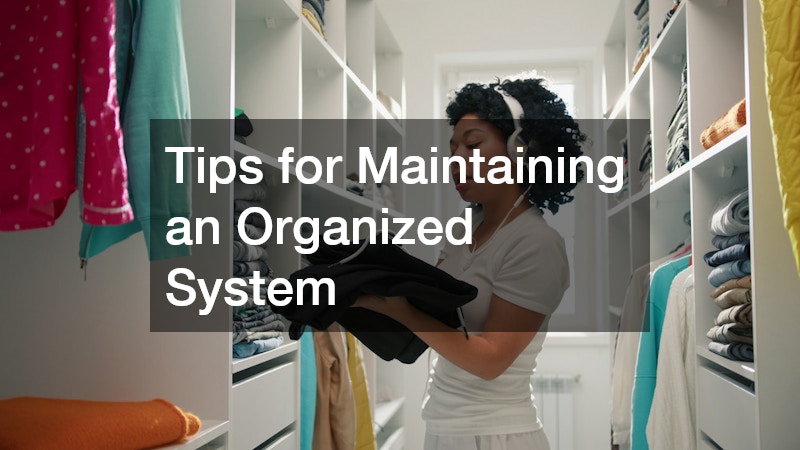
Tips for Maintaining an Organized System
Even the most expensive system can fall into disarray without a maintenance plan. The “system” is only as good as the habits of the people using it. To keep your storage functioning at its peak, consider the following strategies:
- The One-In, One-Out Rule:
- For every new piece of clothing or equipment brought into the home, one old item must be donated or recycled.
- Monthly Audits:
- Spend 15 minutes once a month resetting your shelves and ensuring everything is in its designated spot.
- Labeling:
- Especially in shared spaces like pantries or garages, labels help every family member understand where items belong, reducing the “mental load” on the primary organizer.
- Seasonal Swaps:
- Twice a year, move off-season items to the highest shelves to keep your daily-use area clear and focused.
Master Your Space, Master Your Life
Transforming your home through intelligent storage is a journey that pays dividends in both peace of mind and physical space. By moving away from generic solutions and embracing a customized approach, you create an environment that supports your lifestyle rather than hindering it. Whether you are dealing with a compact hallway or a sprawling garage, the principles of thoughtful design and quality craftsmanship remain the same. When we take the time to organize our surroundings, we are ultimately making room for what matters most – our time, our hobbies, and our families. The investment in a well-ordered home is, at its core, an investment in a better quality of life.