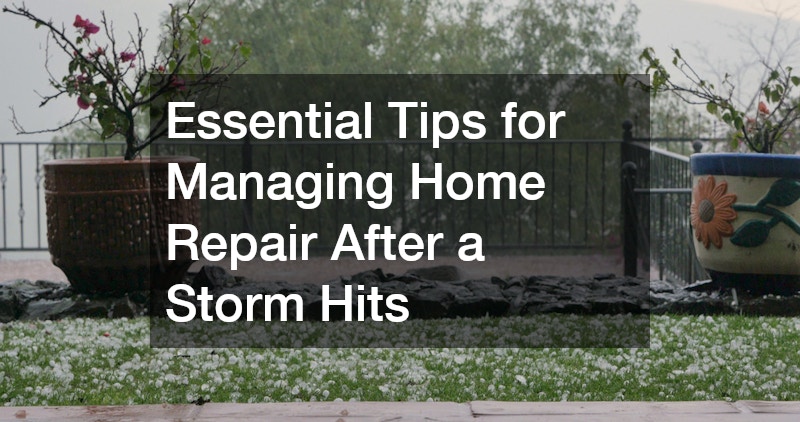

When severe weather strikes, homeowners often face stressful and unexpected damage to their property. From roof leaks to broken windows, the aftermath can be overwhelming—especially if the storm left larger structural issues behind. Taking a proactive and well-organized approach to home repair after a storm can dramatically reduce long-term costs, protect your property’s integrity, and help you return to normal life more quickly. In this guide, you’ll find essential tips for evaluating damage, prioritizing repairs, hiring qualified professionals, and keeping your home safe and secure throughout the recovery process.
Securing Your Property and Safety Considerations
After the skies clear, the priority is protecting your household from immediate hazards. Before beginning any home repair after a storm, homeowners should perform a cautious walkthrough of their property. Storms often cause debris, downed power lines, or unstable structures that can lead to serious injuries. Check inside your home for exposed wiring, water pooling near outlets, or cracked walls that could indicate structural compromises. Outside, examine the yard for uprooted trees, loose branches, broken glass, and potential hazards such as displaced wildlife or sharp metal objects.
Once the area is deemed safe enough to access, temporary protective measures can help minimize ongoing damage. Tarping roof leaks, boarding up windows, and shutting off water and power if necessary can prevent minor problems from escalating while you plan the full home repair after a storm process. Photographing the damage before making any adjustments is useful for insurance claims. Many insurers advise capturing wide-angle photos of affected rooms and exterior areas, followed by close-ups of damaged materials, fixtures, and belongings.
Homeowners should avoid climbing onto the roof themselves or attempting makeshift structural corrections. Storm-weakened supports might collapse under weight, and improper handling of compromised utility lines can be extremely dangerous. Secure what you safely can from the ground, then schedule inspections and repairs with qualified specialists. At this stage of home repair after a storm, the focus is on safety—not permanent fixes. Maintaining a calm and documented approach ensures you can proceed smoothly into the repair phase once professionals are available.
Replacing Broken Windows and Restoring Home Security
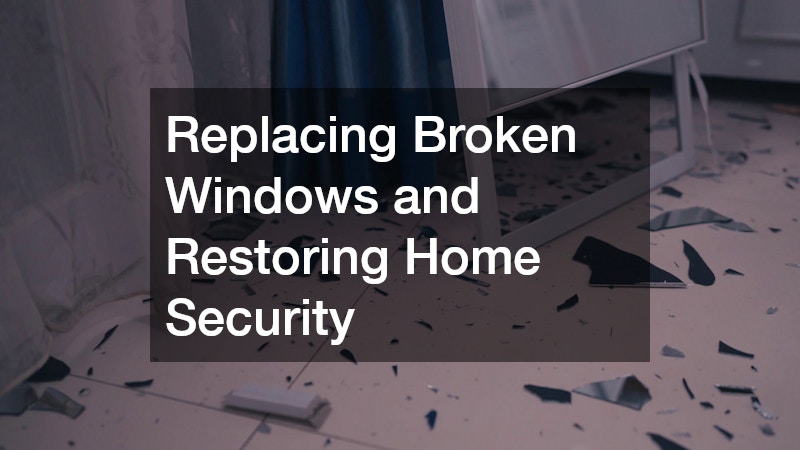
High-speed winds and flying debris are leading causes of shattered and cracked windows during severe weather. Beyond the inconvenience and loss of comfort, damaged windows put your home at risk for break-ins, pests, and moisture intrusion. A crucial part of home repair after a storm involves replacing glass and framing promptly to restore home security and insulation efficiency.
Homeowners in storm-prone regions should also consider upgrading to options from the best hurricane impact windows brands. These products are specifically engineered to withstand heavy wind pressure and direct hits from debris, reducing the risk of glass shattering into dangerous fragments. Many modern impact-resistant windows also offer enhanced UV protection and noise reduction, which provide year-round performance benefits beyond storm preparedness.
While waiting for permanent repair or replacement installations, temporary patches—such as weather-resistant boards or plastic sheeting—help maintain safety. Reinforcing window openings can also reduce the chances that moisture seeps indoors, where it can trigger mold, drywall damage, and flooring deterioration.
The window-repair stage of home repair after a storm should be handled by professionals familiar with local building codes, as compliance ensures that improvements qualify for insurance coverage and energy-efficiency standards. Investing in strong and reliable replacements will help shield your home from future extreme weather.
Assessing Roof Damage and Scheduling Inspections
Your roof is one of the most vulnerable parts of your home during severe weather. Falling trees, hail impacts, and high winds can loosen shingles, puncture roofing materials, or tear away flashing. Professional roof inspections are a vital step in home repair after a storm, even when there are no obvious leaks. Water often enters through hidden cracks or lifted seams, causing gradual rot or electrical issues if left unresolved.
Inspections typically include scanning the roof for missing shingles, checking gutters and downspouts clogged with debris, and evaluating attic spaces for moisture penetration. If damage is spotted, working with reliable roof repair services is essential. These experts can determine whether your roof needs localized patching or a more extensive rebuild.
Homeowners should avoid delaying roof work because moisture damage spreads rapidly through insulation and wood framing. In some storm events, the need for more comprehensive roofing services becomes unavoidable if structural layers beneath the shingles are compromised. Contractors can also document the damage to support your insurance claim, ensuring proper reimbursement.
By treating roofing assessments as a high-priority stage of home repair after a storm, you protect the long-term performance of your home and reduce the chances of multiple return repairs when the next storm arrives.

Repairing Structural Issues and Preventing Further Deterioration
Severe weather can lead to cracks in walls, shifting foundations, or misaligned framing. These are signs that building structural repair may be required. When your home undergoes that level of damage, timely reinforcement is critical to prevent collapse or long-term instability. A structural engineer can evaluate load-bearing components, identify stress points, and recommend urgent reinforcements.
This stage of home repair after a storm goes beyond cosmetic fixes. Professionals assess support beams, joists, and other framework elements that keep your home safely upright. Repairs may range from replacing damaged posts to re-anchoring foundations or reinforcing weakened roof trusses. Because such structural vulnerabilities can worsen over time—especially in areas with ongoing vibrations, humidity, or soil movement—post-storm stabilization is especially important.
Some issues may not appear until weeks after a storm. Interior doors sticking, uneven floors, and newly-formed wall cracks are warning signs worth investigating. Inspections can determine whether framing has shifted due to water saturation or wind pressure. Engaging experienced contractors early ensures this key element of home repair after a storm is handled before it becomes a safety emergency.
Fixing Water System Failures and Preventing Contamination
Heavy rains and flooding often affect essential household utilities such as garage accessibility and water supply. For example, storm conditions can damage garage door tracks, sensors, or spring systems, requiring local garage door repairs to restore safe entry points. Meanwhile, well systems may become overwhelmed or contaminated, making local well pump repairs an urgent priority.
This part of home repair after a storm ensures your systems deliver clean water, safe storage, and functional access to your property. When wells are impacted by flooding, bacteria and debris may enter the supply, prompting immediate testing and sanitization. Professionals can flush, disinfect, and repair submerged components before bacteria spreads into plumbing systems.
For garages, repairing compromised mechanisms prevents accidents caused by off-balance doors or failing openers. Strong security is especially important after storms, when temporary structural vulnerabilities may make properties easier targets for theft.
Water system recovery plays a vital role in the broader home repair after a storm process because contaminated or inaccessible utilities can threaten health and limit your ability to restore your home efficiently. Ensuring these systems are running properly supports the rest of the rebuilding timeline.

Strengthening Foundations and Reinforcing Long-Term Stability
In some cases, the force of a storm penetrates deep into the ground, affecting the home’s base. Soil erosion, pooling water, and shifting terrain can compromise the very structure supporting your home. Expert evaluation may reveal the need for foundation repair service to correct cracked slabs, sinking ground, or weakened retaining walls.
Foundation reinforcement is one of the most important aspects of recovery because even minor shifts can cause spreading damage throughout the property. Early detection helps prevent issues such as sagging roofs, split siding, and misaligned windows. Professionals use specialized tools—like hydraulic piers or epoxy injections—to restore balance and strength to your entire home.
In addition, contractors may inspect nearby drainage systems to ensure excess water is safely diverted away from the home, effectively preventing recurring destabilization. Soil stabilization treatments, landscape adjustments, or improved grading can also be recommended to keep the foundation firmly supported and protected over time. Addressing the foundation early ensures that cosmetic and interior improvements will remain secure for decades to come. Delaying this crucial work can lead to larger, costlier problems when seasonal changes, freezing temperatures, or continued rainfall put additional pressure on a weakened base and its surrounding support.
Restoring Outdoor Living Spaces and Moisture-Exposed Features
For homes in warmer climates, storm winds can destroy screened outdoor rooms, tearing away mesh and twisting support beams. Quality lanai screen enclosures can be repaired or replaced to restore comfortable outdoor living. This portion of home repair after a storm prevents pests and debris from entering gathering spaces while improving curb appeal and maintaining a functional leisure area.
Storms also frequently damage chimneys due to high winds and flying branches. Masonry cracks or displaced bricks call for reliable chimney repair services to restore structural integrity and prevent moisture from seeping into the home through roof junctions. A damaged chimney can become unstable and may collapse without proper restoration.
Rebuilding exterior fixtures ensures full recovery of your lifestyle after storm damage. Many homeowners forget to include outdoor rooms in their repair budgets, but these areas can sustain severe wear from water, salt spray, and wind shear. When factored into your comprehensive home repair after a storm checklist, these upgrades ensure all functional spaces are safe, enjoyable, and protected against future severe weather.

Documentation, Insurance Claims, and Choosing Qualified Contractors
To navigate the final phases of home repair after a storm, communication and documentation are essential. Keep a detailed record of all estimates, receipts, photos, and interactions with service providers. Insurance companies generally require written proof of storm-related damage, along with professional assessments. Recording timelines, temporary measures, and contractor visits ensures you receive fair compensation.
Hiring specialists with local licensing, insurance, and storm-repair experience protects you from liability issues. Always verify credentials before scheduling work. Some companies may attempt to exploit urgent situations; therefore, homeowners should gather multiple quotes to compare pricing and proposed solutions. The right team will clearly explain repair strategies, provide written contracts, and follow regulated safety standards.
Once you’ve completed major repairs—like window replacement, roof stabilization, water system restoration, and structural reinforcement—you’ll feel the relief of nearing the end of home repair after a storm. Final inspections confirm that your home is weather-ready and secure for future seasons.
Long-Term Planning and Preventive Upgrades
After all the repairs are finished, homeowners can look ahead to ways of reducing future storm vulnerability. Some rebuild efforts include stronger materials, better drainage planning, or improved insulation as part of home repair after a storm recovery. Elevating appliances, adding sump pumps, and reinforcing exterior trim are small yet highly effective modifications.
Upgrading windows, doors, and roofs with storm-rated options further protects your investment. This is where it pays to think beyond quick fixes. Many homeowners choose to incorporate impact-resistant roofing, better sealing solutions, and efficient outdoor drainage systems. Maintenance routines—like seasonal roof cleaning, sealing cracks, and servicing garage doors—can keep everything functioning smoothly year-round.
This forward-thinking step completes the cycle of home repair after a storm, turning recovery into resilience. By implementing defensive strategies, homeowners strengthen their safety, peace of mind, and long-term savings. The next time severe weather approaches, they can feel more confident that their home will hold strong.
Maintaining Peace of Mind During the Recovery Process
Storm recovery isn’t just about construction and contractors—it’s about emotional resilience. The disruption to routines, concerns about cost, and sense of vulnerability can be overwhelming. Establishing a realistic timeline for home repair after a storm helps reduce stress, especially when working with reputable professionals who keep communication steady and transparent.
During this transitional period, homeowners should focus on what can be controlled: documentation, safety, and planning. Prioritize repairs by urgency—roofs and water systems first, then windows, structure, and exterior amenities. Break tasks into manageable phases to avoid feeling buried under one massive project.
Support from neighbors, community groups, and well-chosen contractors can make a world of difference. As your property heals and repairs come to completion, the progress becomes a powerful reminder that storms are temporary—and your home can return stronger than before. The final stages of home repair after a storm affirm restoration in both structure and spirit, reassuring you that the hardest part is now behind you.