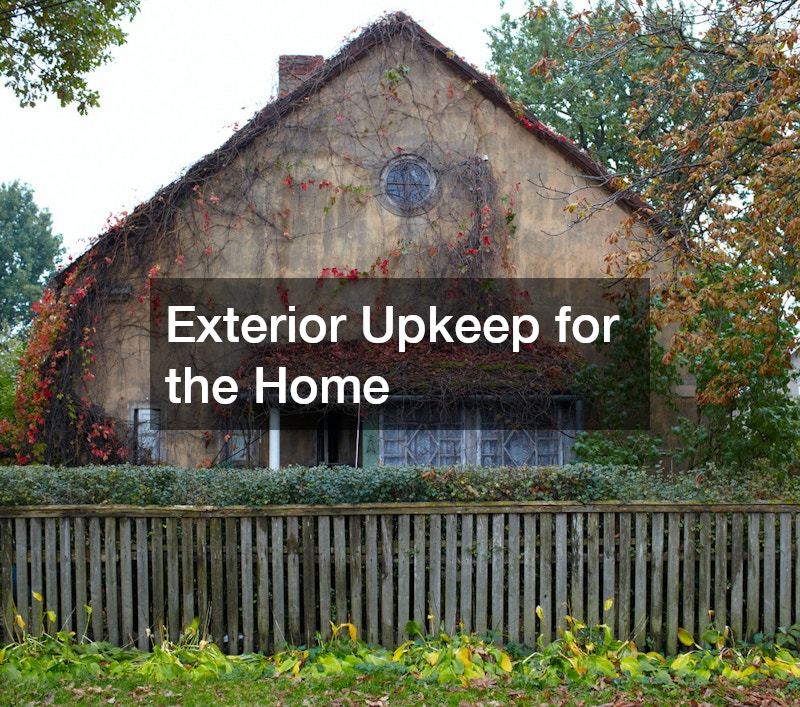

Your home is likely your largest financial investment. While interior updates are exciting, the exterior serves as the primary shield against torrential rains, freezing winters, and scorching summer sun. When that shield cracks, your home suffers structural damage and a loss in value.
Curb appeal is a direct driver of property value, and neglecting the outside can cause minor issues to spiral into expensive emergencies. A small roof leak can quietly rot framing, while an unmanaged tree can damage foundations. This guide provides a detailed, actionable roadmap for maintaining your home’s exterior to keep it safe, efficient, and beautiful for decades.
From the Ground Up: Mastering Driveways and Walkways

The surfaces leading to your home set the tone for the entire property. Driveways and walkways endure immense stress from vehicular traffic, shifting soil, and harsh weather.
Preventing Water Damage on Structural Surfaces
Water is the primary enemy of hardscape surfaces. When moisture penetrates tiny pores or cracks, it settles underneath the surface. In colder months, this trapped water undergoes a freeze-thaw cycle, expanding and causing buckling, potholes, and widespread cracking. To prevent this, ensure water routes away from paved surfaces, and clear away wet leaves immediately to prevent moisture retention.
Best Practices for Resurfacing and Longevity
Eventually, driveways require a major overhaul. When deep, interconnected cracks resemble alligator skin, simple patchwork will no longer suffice. It becomes necessary to invest in professional asphalt paving to completely remove failed layers, re-stabilize the underlying stone base, and lay down a fresh, durable wear course. For routine maintenance between overhauls, apply a high-quality sealant every two to three years to block out harmful UV rays and prevent oil or gasoline from dissolving the surface bonds.
Repairing Walkway Hazards
Uneven walkway stones, cracked concrete slabs, and shifting pavers represent significant tripping hazards.
-
Inspect paths annually for any vertical displacement greater than a quarter-inch.
-
Sweep fresh polymeric sand into interlocking joints every few years, misting it lightly with water to activate the binding polymers that lock stones together and prevent weed growth.
-
If a concrete slab has sunk due to soil erosion, consider professional polyurethane foam injection to lift it back to its original height.
Protecting Your Shield: Roof and Gutter Maintenance
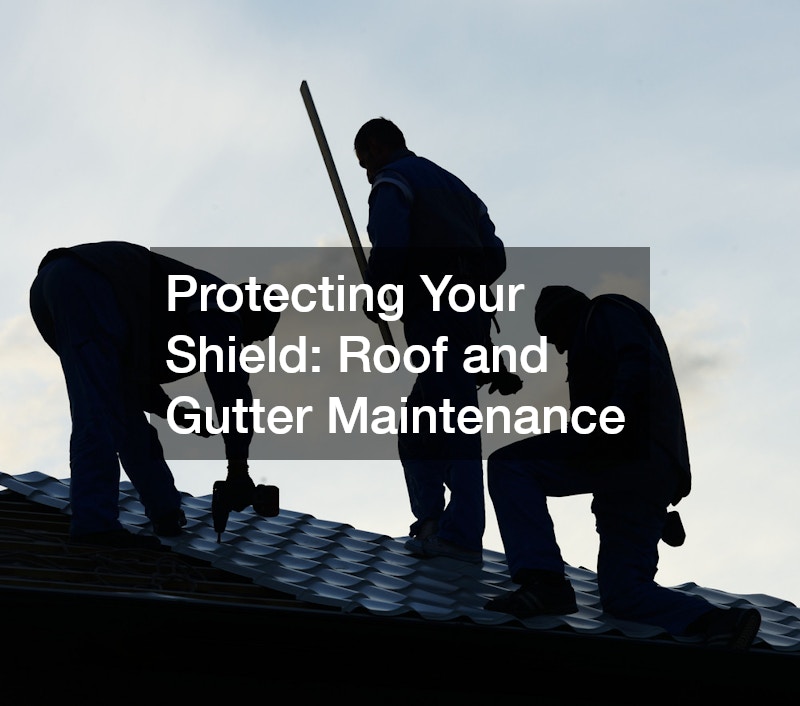
The roof bears the brunt of every weather event. When it fails, the consequences to your interior can be devastating.
Spotting Early Signs of Wear and Tear
You can spot many warning signs from the safety of the ground using binoculars. Walk the perimeter after heavy rain or high winds to look for red flags. Search for shingles that are buckling, curling, or entirely missing. Check the valleys of your roof, which experience the highest volume of water runoff and are prone to early deterioration. Examine the metal flashing around chimneys and vent pipes to ensure it has not pulled away or rusted through.
Addressing Minor Leaks Immediately
When water breaches your roof, it travels along rafters and pipes before showing up as a ceiling stain. Delaying necessary roof repair can lead to catastrophic consequences. Moisture trapped in an attic creates a breeding ground for toxic mold and mildew, compromising respiratory health. Furthermore, wet wood loses structural strength, and damp insulation fails to retain heat, causing energy bills to skyrocket. Patching a small leak early extends the life of your roof and saves thousands.
Knowing When to Call in the Experts
While homeowners can handle basic tasks like clearing debris from roof valleys, structural work requires professional training and safety equipment. Attempting to repair a steep roof carries a high risk of injury.
When faced with widespread storm damage, recurring leaks, or a roof over twenty years old, contact licensed local roofers to conduct a comprehensive evaluation. Professionals have specialized tools like thermal imaging cameras to identify hidden moisture pockets and ensure replacement materials are installed in strict accordance with local building codes, keeping your warranty intact.
The Social Zone: Upkeep for Patios, Decks, and Porches

Outdoor living spaces are extensions of the home. Maintaining these areas ensures they remain safe, hygienic, and welcoming.
Sealing and Staining Wooden Decks
Wooden decks are highly susceptible to moisture rot and UV degradation. Left unprotected, bare wood will quickly warp, split, and turn a weathered silver-gray.
-
Sweep the deck completely and use a dedicated wood cleaner to strip away dirt and old, flaking finishes.
-
Use a pressure washer on a low setting, keeping the nozzle moving constantly to avoid gouging soft wood fibers.
-
Once dry, apply a UV-resistant oil-based stain or sealant to lock out moisture.
Maintaining Stone and Concrete Patios
Stone and concrete patios require regular cleaning to prevent dirt, moss, and algae from making surfaces slippery. Clean your patio annually using a biodegradable outdoor cleaner and a stiff-bristle brush or pressure washer. Pay close attention to the joints. If weeds take root in these gaps, their expanding root systems will slowly push the stones apart, destroying the level surface.
Navigating Structural Upgrades and Extensions
Designing a structurally sound foundation that accounts for soil composition and proper water drainage requires specialized experience. If you notice your patio has significantly shifted or you want to expand your current footprint, DIY methods often fall short. Partnering with an experienced local patio contractor ensures your new outdoor space is properly engineered, uses the correct base materials, and integrates seamlessly without causing drainage issues against your home’s foundation.
Outbuildings and Openings: Garages and Custom Windows
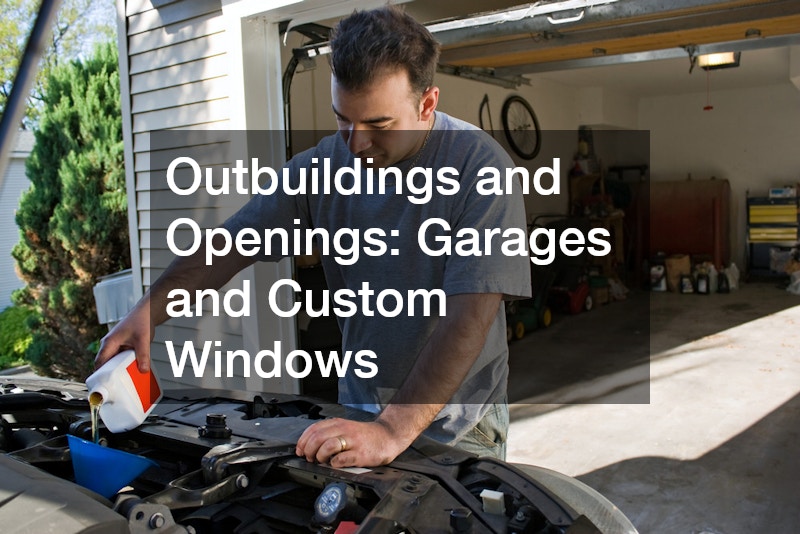
Openings in your exterior are primary points where energy escapes, and security can be compromised. Proper maintenance pays dividends in comfort and peace of mind.
Garage Door Mechanics and Safety Protocols
Your garage door requires regular inspection to operate safely and quietly. Visually inspect heavy springs, cables, rollers, and pulleys for signs of fraying or rust. Spray a high-quality silicone or lithium-based lubricant onto rollers and hinges twice a year to reduce strain on the opener motor. Test the auto-reverse safety mechanism by placing a block of wood on the ground in the path of the door. When it hits the object, it should immediately reverse direction.
Enhancing Energy Efficiency with Modern Upgrades
If your garage door is old, uninsulated, or failing safety tests, a total replacement is the wisest long-term choice. Swapping out an outdated system for a modern roll-up door can completely transform your home’s aesthetic while providing superior weather sealing. These contemporary doors feature dense insulation sandwiched between steel layers, helping regulate garage temperatures, protecting stored items, and preventing cold drafts from leaking into adjacent living spaces.
Caring for Architectural Glass Features
Windows do more than provide a view; they are critical to your home’s thermal envelope. Large architectural windows and custom entry doors are susceptible to seal failure over time. Condensation or a foggy film trapped between panes indicates that insulating gas has escaped and the seal is broken. When replacing specialized shapes or high-efficiency panes, sourcing precision-cut custom glass is essential to ensure a perfect airtight fit, blocking drafty air currents and lowering utility costs.
Fire Safety and Ventilation: Chimney and Flue Care
The chimney is an easily overlooked element because much of its infrastructure is hidden from view. However, neglecting this area presents severe safety hazards.
Creosote and Blockage Hazards
Every time you burn wood, a highly flammable byproduct called creosote deposits itself along the inner lining of your chimney flue. Over time, this thick, tar-like substance builds up, creating a severe fire hazard. Beyond fire risks, chimneys can become blocked by falling leaves, twigs, or nesting birds. A blocked flue prevents toxic gases, including carbon monoxide, from venting safely out of your home, forcing dangerous fumes back into your living spaces.
Seasonal Inspection Checklists
At least once a year, step outside and examine the exterior masonry of your chimney.
-
Check for spalling, which occurs when water gets into bricks, freezes, and causes the face of the brick to crack off or crumble away.
-
Examine mortar joints; if the mortar is soft or missing, it must be replaced through tuckpointing to prevent structural collapse.
-
Ensure the concrete chimney cap is not cracked and a sturdy stainless steel mesh spark arrestor is securely in place.
Enlisting Certified Professionals for Safety
While you can inspect outside masonry yourself, cleaning the interior flue requires specialized rods, heavy-duty wire brushes, and high-powered vacuums designed to capture hazardous soot particles. Scheduling annual chimney sweep services is the best way to guarantee your fireplace vents are safe before the cold weather arrives. Professionals use drop-down cameras to inspect the entire length of the internal flue liner for hidden cracks that could allow intense heat to escape into your home’s walls.
Curb Appeal and Drainage: Strategic Lawn and Garden Care
Your yard is far more than a decorative canvas. The way your soil is graded, the placement of your garden beds, and the health of your turf directly influence how water interacts with your foundation.
Grading and Soil Management
The soil immediately surrounding your home’s foundation should slope downward away from the house at a rate of six inches of drop over the first ten feet. Over time, soil naturally settles, creating a negative slope that directs thousands of gallons of rainwater straight against foundation walls. This hydrostatic pressure leads to cracked basement walls and interior flooding. To fix this, manually add clean topsoil adjacent to your foundation, tamping it down firmly.
Sustainable Plant Selection and Mulching
A beautiful yard requires an understanding of how root systems and moisture levels affect your property. Practice smart landscaping by grouping plants based on water requirements and keeping water-hungry species away from your structure. Apply a two-to-three-inch layer of organic wood mulch to garden beds every spring to regulate soil temperature and suppress weeds. However, never pile mulch directly against your home’s wooden siding or foundation sill plates, as this creates a moist highway for termites and wood rot.
Managing the Canopy: Tree and Shrub Maintenance
Mature trees add immense beauty and value to a property. However, left unmanaged, they can transform into some of the most destructive forces your property can encounter.
Pruning for Structural Integrity
Regular pruning keeps trees healthy and protects your home from physical damage. Heavy storms can snap weak or dead branches, sending them crashing onto your roof, through windows, or onto power lines. Routinely look into the canopy to identify branches that cross over and rub against one another, creating wounds that expose the tree to disease. Ensure no branches touch your roof or siding, and partner with certified tree trimming companies to safely manage large, high-altitude branches hanging over your living spaces.
Identifying and Handling Hazardous Trees
A tree does not have to look completely dead to pose a massive safety risk. Sometimes, a tree can look vibrant on the outside while its internal core or root system is completely rotten.
-
Look closely at the base of the trunk for shelf-like fungi or mushrooms, which indicate internal heartwood rot.
-
Check the trunk for deep vertical cracks, large cavities, or areas where the bark is peeling away completely.
-
Watch for a sudden, noticeable lean, or soil that is cracking and lifting on the side opposite the lean, indicating root failure.
When a large tree exhibits these severe symptoms, or if it grows too close to your home and cracks underground utility lines, you must act quickly. In these high-risk scenarios, arranging for professional tree removal is the only viable option to permanently eliminate the threat of property damage and personal injury.
Maintaining the exterior of your home is an ongoing partnership with your property. Breaking these tasks down into small, routine steps makes the process incredibly manageable. By staying proactive with your pavement, roof, windows, and surrounding vegetation, you easily prevent minor maintenance issues from turning into catastrophic financial burdens. Protecting your asset now guarantees it will stand strong for generations to come. A home that receives consistent, thoughtful care rewards you with superior comfort, lower energy bills, incredible curb appeal, and absolute peace of mind. Pick two simple tasks from this guide to tackle this upcoming weekend, and start building the momentum your home deserves.