
Planning upgrades to your home can feel overwhelming because every improvement seems valuable in its own way. Some projects increase comfort immediately, while others improve long-term property value or reduce maintenance costs over time. Prioritizing the right additions this year often comes down to balancing lifestyle improvements with structural needs. When upgrades are chosen thoughtfully, each project can contribute to a more functional and enjoyable living environment.
Many homeowners begin by focusing on spaces they use most often, especially areas tied to daily routines. Projects that improve efficiency, comfort, and layout tend to deliver the most noticeable benefits early on. For households considering custom remodeling, the key is choosing improvements that align with how the home is actually lived in rather than what trends suggest. A practical approach keeps renovations purposeful rather than overwhelming.
Improving Core Living Spaces First
Living areas and shared spaces often benefit most from thoughtful upgrades because they shape daily routines. Expanding layouts, improving lighting, and enhancing storage can make a home feel more open and functional without requiring a full rebuild. Even modest layout adjustments can improve flow and make entertaining easier.
Many homeowners start by consulting home renovation contractors who can assess structural limitations and help prioritize projects logically. Their experience can reveal opportunities to improve usability without unnecessary demolition. A clear plan also helps prevent upgrades from overlapping inefficiently.
Modernizing The Kitchen For Everyday Use
The kitchen remains one of the most impactful areas to update because it influences daily habits more than almost any other room. Improving storage, counter space, and appliance layout often increases both convenience and resale appeal. Even small changes like better lighting or improved ventilation can transform how the room feels.
Investing in kitchen remodeling allows homeowners to address outdated layouts while incorporating modern functionality. This type of update often produces strong long-term value because kitchens play such a central role in family life. A thoughtful redesign can make cooking, gathering, and daily routines far more efficient.
Kitchen upgrades are also an opportunity to rethink traffic flow and seating arrangements. Expanding prep areas or introducing multi-use islands can make the space feel more flexible and social. When designed carefully, these improvements often influence how the entire home feels connected.
Prioritizing Bathroom Upgrades For Comfort
Bathrooms may be smaller than kitchens, but their impact on comfort and convenience is significant. Improving ventilation, lighting, and storage can make daily routines smoother and reduce long-term moisture-related issues. Many homeowners also find that updating finishes can dramatically change how modern the space feels.
Targeted bathroom remodeling projects often focus on accessibility, efficient layouts, and durable materials. Improvements like walk-in showers or improved lighting can make a noticeable difference in both function and aesthetics. These upgrades also tend to age well as household needs evolve.
Well-designed bathroom improvements can also reduce maintenance needs over time. Choosing durable surfaces and water-efficient fixtures often results in fewer repairs and lower utility costs. Small design decisions here can have lasting impact.
Upgrading Systems That Support Comfort
While visible upgrades attract attention, mechanical systems often determine how comfortable a home truly feels. Heating and cooling reliability, electrical capacity, and ventilation all influence everyday quality of life. Addressing these systems early can prevent disruptions later.
Working with a trusted electrician service can help ensure your wiring supports modern appliances, lighting systems, and charging needs. Electrical upgrades also improve safety and reduce the risk of overloads. Planning these updates before cosmetic renovations helps avoid reopening finished walls later.
Climate control systems are equally important. Scheduling timely air conditioning repair can extend system lifespan and maintain consistent indoor temperatures. Preventive maintenance often costs far less than emergency replacements.
Roofing And Exterior Protection
Exterior improvements often go unnoticed until problems arise, but they play a major role in protecting the home. Roof integrity, siding durability, and drainage systems all influence long-term structural health. Addressing these areas early can prevent expensive repairs later.
Consulting a reliable residential roofer allows homeowners to assess whether repairs, reinforcement, or replacement is necessary. Proactive inspection often reveals issues before they become visible indoors. Maintaining exterior protection preserves both safety and property value.
Exterior upgrades also contribute to energy efficiency and curb appeal. Improving insulation or sealing vulnerabilities can make the home more comfortable year-round. Structural improvements often provide both practical and aesthetic benefits.
Creating Functional Gathering Spaces
Home upgrades often aim to improve how people gather and interact within the space. Expanding living areas or opening layouts can make a home feel more welcoming and adaptable for different activities. These improvements are especially valuable for households that entertain frequently.
Designing cohesive kitchen and bath upgrades together can help create visual continuity across major living zones. Coordinating finishes, lighting, and layout decisions often makes the entire home feel more unified. Strategic planning here prevents piecemeal renovations that feel disconnected.
Thoughtful layout improvements also influence how natural light moves through the home. Opening sight lines or repositioning windows can transform how spacious rooms feel. These changes often have a greater impact than decorative updates alone.
Adding Warmth And Character
Certain additions improve atmosphere as much as function. Features that enhance comfort or visual appeal often become focal points of the home. These upgrades can be especially meaningful in spaces designed for relaxation.
A well-planned fireplace installation can create both visual warmth and practical heating benefits. Modern options allow for energy efficiency while still providing a strong design statement. This addition often enhances both ambiance and property value.
Architectural accents, built-in shelving, and upgraded trim can also add personality. Small details often shape how polished a home feels once larger renovations are complete. Character-driven upgrades help spaces feel intentional rather than generic.
Planning Larger Structural Changes
Some homeowners consider expanding square footage rather than rearranging existing space. Room additions, extensions, and conversions can dramatically increase functionality. These projects require careful planning but often produce lasting benefits.
Consulting a reputable custom home builder can help evaluate whether expansion or reconfiguration offers the best return. Builders can also identify structural constraints early, which helps avoid costly surprises. Clear planning helps ensure additions integrate smoothly with the original design.
Large structural upgrades often benefit from phased planning. Breaking projects into stages allows homeowners to manage costs and disruptions more effectively. Strategic sequencing keeps improvements manageable.
Coordinating Multiple Projects
When planning several upgrades in one year, coordination becomes critical. Sequencing work correctly prevents unnecessary rework and keeps timelines realistic. Electrical, structural, and finishing work often overlap in ways that require careful planning.
Experienced home renovation contractors can help map project order so each step supports the next. Their planning reduces delays and ensures that improvements align with long-term goals. Coordinated scheduling also helps control costs.
Project coordination also influences how disruptive renovations feel day to day. Efficient scheduling minimizes downtime and keeps the home livable throughout construction. Thoughtful planning reduces stress as much as it saves money.
Revisiting Kitchen Improvements Later
Even after a major renovation, kitchens often benefit from incremental upgrades. Lighting adjustments, storage refinements, and appliance updates can enhance usability over time. These smaller improvements help the space evolve with changing needs.
Follow-up kitchen remodeling work may focus on efficiency rather than layout. Improving organization or upgrading fixtures can extend the lifespan of earlier renovations. Incremental improvements keep the space current without requiring full reconstruction.
Small updates also allow homeowners to refine how the space functions based on real usage. Experience often reveals opportunities that initial planning could not anticipate. Ongoing improvements keep the kitchen adaptable.
Maintaining Bathrooms Over Time
Bathrooms also benefit from periodic updates that maintain both performance and comfort. Sealing surfaces, improving ventilation, and upgrading fixtures can prevent wear from turning into costly repairs. Routine improvements help preserve both appearance and function.
Additional bathroom remodeling work may involve accessibility upgrades or improved storage solutions. These changes often improve long-term usability as household needs shift. Updating bathrooms gradually can spread costs while maintaining comfort.
Even minor adjustments can help spaces feel refreshed. Updating lighting or hardware often delivers visible results without major disruption. Strategic maintenance keeps bathrooms functional and appealing.
Long-Term Comfort Planning
Home improvements should ultimately support how you live day to day. Projects that improve safety, efficiency, and usability often deliver the strongest return over time. Balancing visible upgrades with structural improvements keeps renovations meaningful.
Partnering with a skilled electrician service ensures future additions can be supported safely. Electrical planning often influences what improvements are feasible later. Preparing infrastructure early makes future upgrades easier.
Protecting The Home’s Structure
Exterior upkeep remains one of the most effective ways to preserve long-term value. Regular inspections and timely repairs often prevent minor issues from becoming structural concerns. Maintaining protective systems helps keep interior upgrades secure.
Routine assessments by a dependable residential roofer help identify wear before leaks or insulation issues develop. Early intervention protects both the structure and the interior finishes. Exterior stability supports every other renovation investment.
Planning structural maintenance alongside interior upgrades helps ensure improvements last. Protecting the building envelope keeps renovation efforts worthwhile. Long-term planning supports both comfort and resale value.
Thinking Ahead About Design Cohesion
When multiple renovations occur over several years, design cohesion becomes important. Matching materials, finishes, and layout styles across rooms helps the home feel unified. Without coordination, upgrades may appear mismatched.
Revisiting kitchen and bath design decisions during later updates helps maintain visual continuity. Coordinating fixtures, cabinetry, and finishes can tie separate projects together. A consistent design language makes renovations feel intentional.
Cohesion often increases perceived value as much as square footage. Thoughtful design alignment helps the home feel complete rather than pieced together. Strategic planning enhances both comfort and aesthetics.
Enhancing Atmosphere Over Time
Atmosphere-building features often grow more valuable as homeowners spend more time in their space. Comfort-focused upgrades may not be urgent, but they often contribute to long-term enjoyment. These improvements shape how welcoming the home feels.
A second fireplace installation in a gathering area can transform how the space functions during colder months. This addition often becomes a focal point for social interaction. Strategic placement can improve both warmth and ambiance.
Atmospheric upgrades often complement structural improvements rather than replacing them. Adding character after essential upgrades are complete helps balance practicality and comfort. These finishing touches often define how a home feels.
Preparing For Future Expansion
Even if major additions are not planned immediately, preparing the home structurally can simplify future work. Reinforcing foundations, planning wiring routes, and reserving space for utilities makes later upgrades easier. Forward planning prevents costly retrofits.
Consulting a custom home builder early in this process can help identify opportunities for expansion that align with long-term goals. Their perspective helps ensure early upgrades do not limit future options. Strategic preparation supports flexibility.
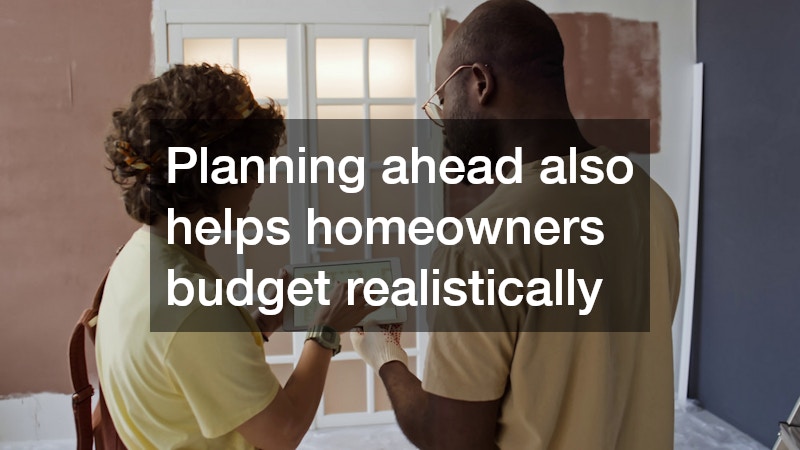
Planning ahead also helps homeowners budget realistically. Spreading improvements across several years often makes larger goals more achievable. Thoughtful sequencing of custom remodeling keeps progress steady without overwhelming resources.