
Managing a property and providing a stable, secure environment for your family involves navigating a constantly shifting series of challenges. From unexpected mechanical failures inside the residence to major external structural repairs and personal family stressors, the responsibilities of modern homeownership can easily feel overwhelming. Knowing how to prepare for these distinct challenges and identifying the right professional support before an emergency strikes allows property owners to resolve issues efficiently while keeping costs and emotional stress under control. Modern households function like complex ecosystems where every mechanical system, structural component, and human element interacts continuously. When one element breaks down or experiences unaddressed friction, the secondary effects frequently cascade through the entire household, draining financial reserves and creating unnecessary operational chaos. Establishing a proactive management strategy ensures that minor maintenance tasks do not escalate into catastrophic property failures. By approaching property care through structured prevention, informed contractor selection, and timely interventions, homeowners can create a safe, highly efficient, and resilient living environment capable of withstanding both daily wear and unexpected emergencies.
Maintaining Internal Mechanical Systems for Year-Round Comfort
When essential indoor machinery fails, immediate disruption to daily routines is guaranteed. Heating, ventilation, air conditioning, and heavy commercial-grade residential units require skilled technical care to ensure efficient climate control and baseline operation. Homeowners often face complex operational failures, such as irregular cycling, refrigerant leaks, or baseline airflow loss, which severely compromise indoor comfort and spike monthly energy expenses. Relying on verified experts in mechanical contracting guarantees that complex climate systems, ductwork, and specialized equipment undergo rigorous diagnostic testing, proper calibration, and preventive maintenance to avert complete operational failure. Complex mechanical systems are comprised of dozens of interconnected components, ranging from delicate electrical sensors and digital thermostats to high-pressure compressors and heavy blower motors. Over time, friction, dust accumulation, and normal thermal expansion degrade these components, leading to reduced airflow, uneven temperature distribution throughout different rooms, and excessive power draw. Beyond performance degradation, neglected heating and cooling equipment can pose serious safety hazards, including electrical short circuits or toxic carbon monoxide leaks from cracked heat exchangers. Professional technicians bring specialized diagnostic tools to measure system pressure, evaluate electrical draw, and clean critical coils, effectively restoring baseline efficiency, extending equipment lifespan, and preventing sudden system lockouts during extreme summer heatwaves or freezing winter storms.
Prioritizing Family Health and Managing Life Transitions
A well-maintained home involves far more than simply preserving physical infrastructure; supporting the mental and emotional well-being of the individuals living inside is equally essential. Major life changes, financial pressures, family conflict, or individual mental health challenges can strain household relationships and disrupt daily peace. Incorporating professional therapy and counseling into family health management provides household members with structured coping strategies, professional guidance, and safe environments to address emotional challenges, build resilience, and maintain strong interpersonal relationships. The psychological environment within a residence directly dictates how household members navigate daily stress, communicate under pressure, and process unexpected domestic crises. When internal communication breaks down or unaddressed emotional distress persists, the household environment can become tense, leading to chronic exhaustion and burnout for both parents and children. Professional guidance creates a neutral space where family members can explore underlying behavioral patterns, resolve longstanding friction, and develop healthy emotional boundaries. Whether navigating major life events such as career transitions, grief, divorce, or managing chronic anxiety and behavioral shifts in children, professional therapeutic support acts as a crucial stabilizing force. Prioritizing emotional wellness ensures that the home remains a genuine sanctuary for healing, growth, and long-term family stability.
Enhancing Neighborhood Security and Access Management
Protecting your household extends beyond the interior walls and into the immediate surrounding community. Unregulated vehicular traffic, unauthorized entries, and neighborhood speed violations pose significant safety hazards to children, pets, and residents. Implementing an advanced vehicle alert system for hoas helps residential communities automate access control, monitor real-time vehicular activity, and maintain reliable perimeter defense, ensuring that neighborhood streets remain safe and tranquil for every resident. Residential communities face evolving security demands as delivery traffic, contractor visits, and visitor volume increase exponentially. Traditional manual entry gates or unmonitored community entrances often create significant bottlenecks, leading to long entry queues, frustrated drivers, and compromised perimeter security. Automated access solutions leverage modern optical sensors, license plate recognition technology, and instant digital notifications to verify incoming vehicles seamlessly without creating traffic delays. Board members and property managers can monitor access logs, restrict entry to unauthorized commercial vehicles during off-hours, and identify speeding or reckless drivers within community boundaries. By securing entry points and maintaining strict oversight of vehicular movement, neighborhoods significantly reduce property crime, minimize vandalism risks, and cultivate a safer environment where families can walk, play, and interact with peace of mind.
Addressing Interior Plumbing and Sudden Moisture Leaks
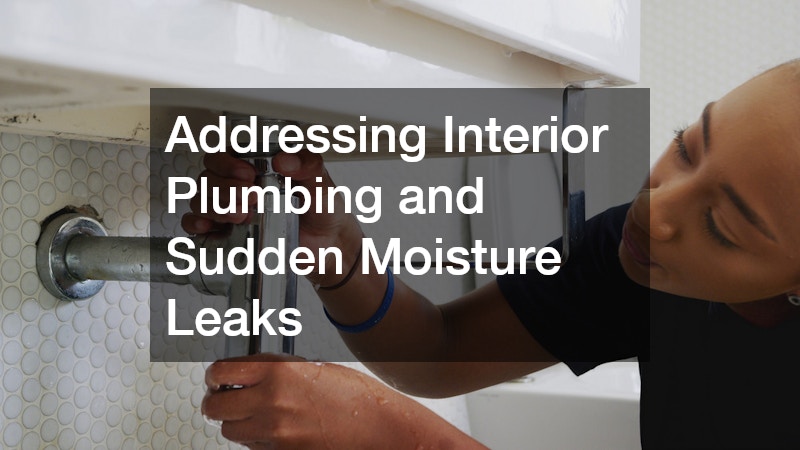
Water intrusion from internal sources represents one of the most immediate threats to structural integrity and indoor environmental quality. A burst supply line, overflowing fixture, or hidden pipe leak can quickly saturate drywall, ruin flooring, and encourage rapid mold growth. Contacting an experienced water damage restoration contractor allows property owners to extract trapped water rapidly, execute industrial structural drying protocols, and sanitize affected structural components to prevent long-term decay. Liquid migration through subflooring, wall cavities, and ceiling assemblies occurs at alarming speeds, often traveling far beyond the initial site of the leak through capillary action. Within 24 to 48 hours of initial moisture exposure, dormant mold spores begin to germinate, posing severe respiratory health risks to occupants and accelerating structural rot in wood framing. Professional restoration specialists utilize advanced thermal imaging cameras and moisture meters to map out the full extent of water migration behind hidden building surfaces. Deploying industrial-grade air movers, heavy-duty dehumidifiers, and antimicrobial treatments ensures that hidden moisture pockets are thoroughly dried to industry standards. Fast, comprehensive restoration prevents permanent structural warping, preserves subflooring, and protects indoor air quality from dangerous microbial contamination.
Managing Severe Weather Events and Structural Vulnerabilities
While internal plumbing issues are troublesome, extreme atmospheric weather conditions bring unpredictable external risks. Severe thunderstorms, hail, falling trees, and violent wind gusts can compromise exterior walls, tear away siding, and create structural vulnerabilities in a matter of minutes. Partnering with an urgent storm damage restoration service provides immediate structural stabilization, emergency tarping, and comprehensive property repairs, ensuring that weather-related destruction is contained before secondary damage can set in. Severe weather strikes without warning, exposing pre-existing roof weaknesses, cracked siding, or compromised window seals to extreme wind-driven rain. Once the exterior building envelope is breached, rainwater cascades into attic insulation, ceiling drywall, and electrical conduit, transforming a localized exterior issue into a massive interior disaster. Emergency restoration teams operate rapidly to mitigate immediate hazards by installing heavy reinforced tarps over exposed roof decking, board-up protection over shattered windows, and temporary structural shoring to prevent wall collapse. Beyond emergency stabilization, specialized technicians coordinate with insurance adjusters, document structural loss, and execute comprehensive structural rebuilding. Fast, decisive mitigation following severe weather prevents ongoing water intrusion, stabilizes interior framing, and ensures the property is fully restored to a safe, habitable condition.
Protecting Your Roof Against Long-Term Wear and Tear
The primary barrier defending any house against atmospheric elements is its roofing assembly. Over time, UV exposure, thermal expansion, heavy rains, and normal aging deteriorate shingles, flashing, and underlayment, leading to slow leaks and severe energy loss. Scheduling routine inspections and structural evaluations with professional roofers ensures that subtle surface defects, loose flashing, and compromised decking are repaired early, effectively extending the lifespan of the roof and protecting the interior space below. Roof assemblies endure relentless environmental stress year-round, from baking thermal radiation during summer months to freezing ice accumulation and heavy snow loads in winter. Shingles lose protective granules over time, becoming brittle, curling, or lifting away from the underlying roof deck, while chimney flashing and valley seals expand and contract until water finds a path inside. Minor roof leaks often go undetected for months, quietly rotting plywood decking, saturating attic insulation, and ruining interior ceiling finishes long before water drips into living areas. Certified roofing contractors evaluate every critical component of the roof system, including ridge vents, drip edges, soffits, and gutter drainage, ensuring proper attic ventilation and structural integrity. Proactive repairs prevent catastrophic roof failures, maximize energy efficiency, and save homeowners tens of thousands of dollars in premature replacement costs.
Maintaining Reliable Transportation for Everyday Commutes
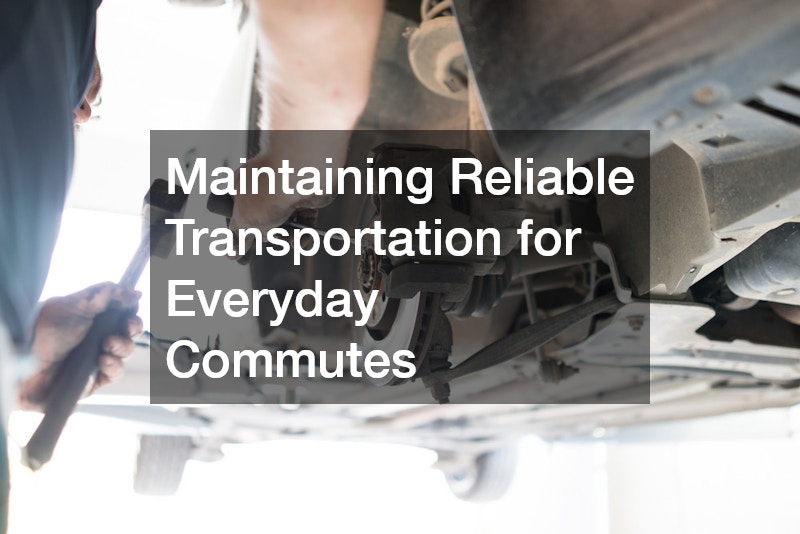
Family security depends heavily on dependable transportation to commute to work, transport children to school, and manage essential daily errands. Unexpected mechanical breakdowns, brake wear, check engine light warnings, or fluid leaks can easily strand a driver and cause significant disruption to family schedules. Securing trustworthy auto repair keeps household vehicles performing safely and efficiently through regular oil changes, tire rotations, diagnostic checks, and timely mechanical overhauls. Routine fluid flushes, timing belt replacements, suspension checks, and battery testing ensure that your vehicle remains responsive, reliable, and fuel-efficient. Maintaining a rigorous vehicle care schedule protects your family on highway commutes, prevents expensive emergency towing bills, and preserves the resale value of your vehicle.
Resolving Mainline Water Supply and Wastewater Issues
Beyond surface leaks, the complex subterranean plumbing network running beneath a property requires constant oversight. Main water line corrosion, severe drain blockages, broken sewer lines, and failing water heaters severely disrupt baseline sanitation and utility availability within the household. Subterranean plumbing systems operate out of sight, making early detection of pipe degradation, tree root intrusion, and ground-settling damage difficult for average homeowners. Over time, hair, grease, mineral scale, and invasive tree roots accumulate inside drain lines, creating stubborn blockages that cause raw sewage to back up into basement drains and bathroom fixtures. Master plumbers and quality plumbing contractors employ high-definition fiber-optic video cameras to inspect the internal condition of underground sewer lines, identifying cracks, bellies, and offset joints without disruptive excavation. By utilizing high-pressure hydro-jetting to scour pipe walls or executing trenchless pipe lining, professional plumbers restore full flow capacity, eliminate foul odors, and prevent catastrophic wastewater backups, ensuring clean water delivery and sanitary waste removal for the entire household.
Streamlining Relocations and Household Transitions
Changing residences represents a major milestone, but managing the logistics of packing, transporting, and organizing an entire household can cause massive disruption and physical strain. Fragile items can break, heavy furniture can cause physical injury or wall scuffs, and temporary space shortages can cause significant stress during a move. Utilizing professional moving and storage services simplifies the transition by providing expert packing materials, secure logistics, heavy-lifting assistance, and flexible warehouse space for excess belongings. Relocating a household involves coordinating complex schedules, securing specialized transit equipment, and safely maneuvering bulky furniture through tight doorways and stairwells. Improper packing techniques or inadequate padding frequently lead to broken family heirlooms, damaged electronics, and gouged drywall at both the origin and destination properties. Full-service relocation specialists provide custom wooden crating for delicate artwork, heavy-duty furniture blankets, padded door-frame protectors, and air-ride suspension vehicles to protect household goods during transit. Furthermore, climate-controlled temporary storage facilities offer secure, monitored space for belongings during closing delays or home renovation projects. Partnering with experienced logistics professionals eliminates physical exhaustion, mitigates property damage risks, and transforms a chaotic moving day into an organized, stress-free transition.
Ensuring Electrical Safety and Power Grid Upgrades
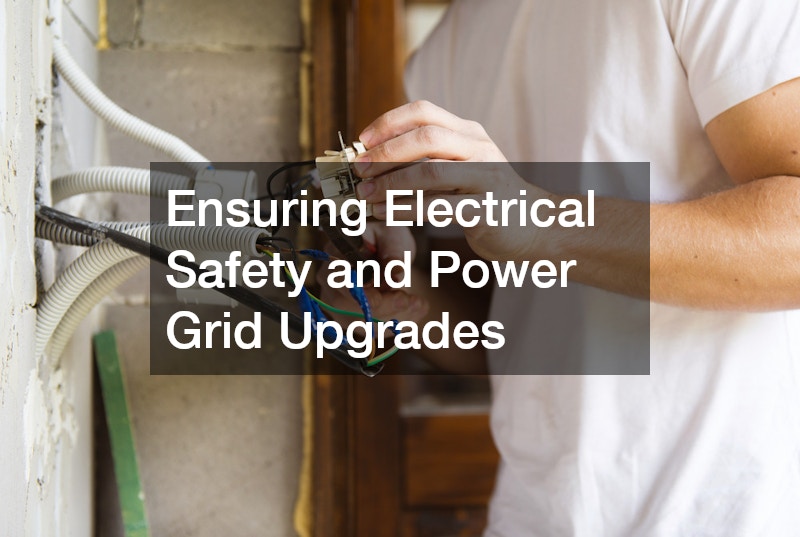
Electrical hazards present some of the most serious risks in modern residential properties. Outdated electrical panels, flickering lights, ungrounded outlets, and overloaded circuits increase the risk of electrical fires, damaged home electronics, and sudden blackouts. Enlisting qualified technicians to perform comprehensive electrical services ensures that main panels are upgraded, wiring conforms to modern safety standards, surge protectors are integrated, and high-efficiency lighting is properly installed throughout the property. Older homes were built to support modest electrical demands, far below the heavy power draws generated by modern appliances, home automation systems, electric vehicle chargers, and high-performance HVAC units. Overloaded breaker boxes and outdated aluminum or knob-and-tube wiring overheat under heavy loads, melting insulation and creating hidden fire hazards inside wall cavities. Professional electrical installations eliminate fire hazards, ensure full code compliance, and power modern technology reliably.
Modernizing Energy Management and Efficiency Upgrades
Controlling long-term utility expenses requires looking beyond emergency repairs and evaluating overall energy consumption. Heat loss through uninsulated attics, drafty windows, and inefficient baseline appliances continually drives up operational costs for property owners. Implementing smart thermostats, upgrading insulation layers, and adopting energy-efficient appliances lowers carbon footprints while creating a far more stable indoor thermal environment for your family throughout extreme weather seasons.Applying blown-in cellulose insulation, sealing duct joints with mastic, installing double-pane low-E windows, and programming smart thermostats reduces HVAC strain, lowers monthly electricity bills, and keeps indoor temperatures remarkably consistent year-round.
Building Emergency Preparedness and Protection Plans
Even with superior daily maintenance, unexpected disasters can arise at any moment. Developing comprehensive family emergency response plans—complete with emergency communication protocols, accessible first-aid resources, backup generator setups, and verified contractor contact lists—ensures swift action during unforeseen events. Having a structured strategy in place minimizes panic, protects property assets, and safeguards family members during critical moments. True household security requires preparing for extreme scenarios, including prolonged power outages, municipal water disruptions, regional natural disasters, and sudden medical emergencies. Regularly reviewing evacuation routes, testing smoke and carbon monoxide detectors monthly, and maintaining digital backups of critical property documents ensures that every family member knows how to act decisively during an emergency, minimizing property damage and protecting lives.
Successfully managing a modern household requires a balance between proactive system upgrades, emotional support, neighborhood vigilance, and fast response strategies for unexpected property emergencies. Maintaining a property is an evolving, lifelong investment that demands ongoing education, financial budgeting, and proactive vigilance. When homeowners treat property care as a holistic discipline rather than a series of disconnected emergency repairs, they unlock long-term peace of mind, safeguard equity, and foster a healthy environment where families can truly thrive.