

Unlocking the front door of a newly purchased house marks the beginning of an exciting transition, offering a blank canvas where personal design preferences and functional priorities can finally take shape. Among all the interior living zones deserving immediate attention, the primary bathroom stands out as the ultimate personal sanctuary. It is the private space where morning routines establish mental clarity for the busy day ahead, and where warm evening soaks wash away physical exhaustion. However, the standard bathrooms found in newly acquired properties frequently reflect the outdated tastes, builder-grade compromises, or deferred maintenance of previous occupants. Yellowed acrylic tub surrounds, cramped prefabricated vanities, poor task lighting, and sluggish plumbing fixtures often greet new homeowners, serving as a reminder that the space has yet to become their own. Transforming an inherited, dated bathroom into an exquisite personal retreat requires looking beyond surface-level cosmetic adjustments toward a structured, trade-aligned renovation strategy.

Managing the Initial Relocation to Your New Property
The journey toward establishing a personalized living space often starts long before renovation permits are pulled, beginning with the complex logistics of relocating an entire household across county lines or state borders. Moving across substantial distances involves managing rigid real estate closing schedules, transferring essential utilities, and overseeing the physical transport of furniture, fragile art, and years of domestic belongings along busy interstate corridors. When families undergo an extensive journey, the physical fatigue and administrative friction can easily become overwhelming, tempting homeowners to make rushed decisions about interior remodeling just to feel settled. Taking a structured approach to your arrival allows you to catch your breath, observe how natural daylight moves through the house throughout the day, and evaluate layout deficiencies before swinging the first demolition hammer. Entrusting your interstate journey to dependable long distance movers ensures that the entire relocation is carried out with professional care and predictable timing.
Organizing Arrival Day Logistics Across the Home
Once the transport truck pulls up to the curb of your new neighborhood, the primary logistical priority shifts toward moving heavy cargo through the home’s interior without scuffing finished surfaces or blocking critical pathways. Navigating narrow suburban driveways, turning bulky armoires through front foyers, and carrying heavy bedroom suites upstairs requires localized coordination and careful physical handling. When moving crews drop boxes haphazardly throughout every hallway and doorway, living areas quickly become obstacle courses, creating immediate domestic friction that stalls planning for upcoming bathroom improvements. Setting up an orderly foundation in the primary living spaces first ensures that your family remains comfortable and relaxed, even while construction dust gathers in the master suite. Coordinating your arrival with dependable local movers ensures that furniture placement and heavy unloading happen efficiently and with genuine respect for your property.

Protecting Work Zones and Staging Renovation Supplies
A successful bathroom remodel requires clear staging areas where demolition debris can be moved out and fresh building materials—such as cement backer boards, mortars, and cartons of heavy tile—can be safely stored. Starting a major tear-out while moving boxes, spare linens, and toiletry kits are scattered across the bedroom floor invites broken personal belongings, dusty wardrobes, and severe trade bottlenecks. Demolition crews and carpenters need wide, unobstructed paths through the home to remove heavy tubs, carry in stone vanity tops, and run vacuum hoses without tripping over household items. Booking a comprehensive moving service gives homeowners the flexibility to arrange tailored staging setups, such as using temporary off-site storage or stacking non-essential furniture in the garage while work is underway.
Coordinating Layout Changes with an Experienced Project Lead
Once the space is cleared and protected, the structural transformation of the bathroom can begin under the guidance of an experienced renovation lead. Older bathrooms frequently suffer from cramped, poorly thought-out layouts that isolate water closets behind awkward partition walls, place vanities too close to the doorway, and wedge bulky tubs beneath drafty windows. Changing these outdated floor plans requires a solid understanding of load-bearing walls, structural joist limits, and modern residential building codes to ensure the home remains safe and structurally sound throughout construction. Working with a licensed bathroom contractor provides the unified project oversight, technical direction, and trade coordination needed for a successful whole-room transformation.

Reconfiguring Concealed Water Lines and Waste Pipes
Creating a truly customized dream bathroom often involves shifting fixtures away from their original builder-grade spots to establish better flow and functional balance. Relocating a vanity to an open wall, extending a shower footprint, or positioning a freestanding tub as a focal point requires rerouting water supply lines and core drainage stacks hidden beneath subfloors and inside wall cavities. Simply connecting modern, multi-outlet fixtures to existing, undersized pipes usually results in disappointing shower pressure and sluggish drainage, undermining the luxurious feel you set out to create.
Enlisting a licensed plumbing service ensures that all concealed hydraulic lines are properly sized, pitched, and pressure-tested to support modern fixture requirements. Experienced plumbers replace aging lines with flexible cross-linked polyethylene or rigid copper tubing, installing dedicated distribution manifolds that maintain steady water volume even when several fixtures are running at once. They notch and drill through floor joists in strict compliance with structural engineering standards, re-pitching drain-waste-vent lines so that graywater drains away quickly without siphoning the water seals inside protective traps. Modernizing the concealed plumbing rough-in provides a clean, dependable mechanical foundation that will support high-performance fixtures for decades of trouble-free use.
Updating Aging Pipework and Concealed Valves
Buying an existing home almost always means inheriting the hidden wear, outdated materials, and questionable repairs left behind by previous property owners. Concealed inside older bathroom wall cavities, galvanized iron pipes slowly accumulate internal rust that chokes water flow, while aging copper solder joints can develop hairline leaks that quietly saturate insulation and wooden wall framing. If these aging lines are ignored during a cosmetic remodel, an undetected slow leak can rot your brand-new vanity cabinets and ruin expensive tile installations from the inside out.
Scheduling certified plumbing repair services while the walls are open during demolition allows technicians to inspect, diagnose, and fix concealed piping problems before new drywall goes up. Diagnostic plumbing specialists use pressure testing and pipe inspections to locate hidden trouble spots, replacing brittle shut-off valves and corroded cast-iron drain lines with modern PVC or ABS piping. They also swap out old gate valves for smooth quarter-turn brass ball valves at every fixture supply point, giving you dependable, easy-to-use water shut-offs for future maintenance. Resolving hidden plumbing wear while the framing is exposed protects your investment in new finishes, sparing you the frustration and expense of tearing into fresh walls to fix a leak later.
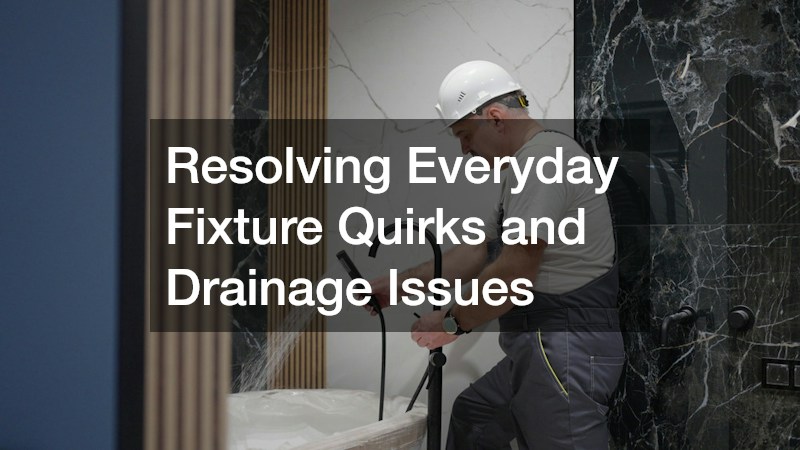
Resolving Everyday Fixture Quirks and Drainage Issues
Beyond the main supply lines hidden behind the walls, the everyday comfort of a bathroom depends heavily on how well localized fixture hardware and mechanical valves perform. Many homeowners move in only to find that the shower temperature drops unexpectedly when a dishwasher runs downstairs, the toilet tank constantly hisses, or the sink drain runs slowly due to mineral buildup in the aerator and trap. These minor mechanical quirks turn simple morning routines into an ongoing annoyance, serving as a clear sign that localized hardware is due for an update.
Taking the time for targeted home plumbing repairs eliminates these daily frustrations, restoring balanced water pressure and consistent temperature control across all fixtures. Skilled residential plumbers replace worn mixing cartridges with modern pressure-balancing and thermostatic valves, protecting your family from sudden bursts of scalding water when someone flushes another toilet. They can rebuild sluggish toilet mechanisms, install quiet water-hammer arrestors to stop noisy pipe banging, and clear mineral scale from branch supply lines to restore full water volume. Restoring the smooth, quiet operation of every valve and fixture eliminates everyday headaches, cuts down on wasted water, and ensures your newly finished bathroom feels just as good to use as it looks.
Building a Waterproof Wet Zone with Handcrafted Tilework
The visual centerpiece and functional core of any modern dream bathroom is the custom shower and wet-area surround. Whether you picture handcrafted ceramic subway tiles, bold geometric mosaics, or large-format marble-look porcelain slabs, the long-term durability of the entire installation depends entirely on the waterproofing system hidden underneath. Tile and grout are naturally porous materials; without a continuous, flexible waterproofing membrane beneath them, steam and moisture slowly seep into backer boards, encouraging hidden mold growth and rotting wooden wall studs.
Partnering with a dedicated shower tiling company ensures that your wet-area walls and floors are properly framed, sealed, and finished with true artisan craftsmanship. Professional tile installers hang dense cement backer boards and apply seamless liquid or sheet membranes across all shower walls, recessed shampoo niches, and built-in bench seating before setting a single tile. They shape shower pans with precise slopes toward the drain, ensuring that water runs off quickly without pooling in corners or breaking down grout joints over time. Experienced tile setters take the time to align complex patterns symmetrically and finish the job with durable, stain-resistant epoxy grouts that repel soap scum, leaving you with a shower that stays beautiful and watertight for years.
Opening Up Sightlines with Clean Architectural Glazing
Once your shower surround is tiled and sealed, enclosing the wet area calls for a clean design that keeps water where it belongs without cutting the room into dark compartments. Bulky framed shower doors with wide aluminum tracks tend to trap soapy residue, collect grime, and visually shrink the bathroom by breaking up sightlines. Modern bathroom design leans into open, airy layouts that allow natural daylight from nearby windows to reach across reflective stone and tile surfaces, making the entire room feel bright and spacious.
Installing custom-measured residential glass turns the shower enclosure into an elegant architectural feature, using heavy-gauge, frameless tempered glass panels secured with solid brass hardware. Glazing specialists take laser measurements of the finished tile openings to account for subtle wall settling, cutting each glass panel for a clean, watertight fit without clunky metal frames. High-quality tempered glass treated with a protective hydrophobic coating repels water droplets, resists cloudy mineral buildup, and wipes clean with a quick squeegee swipe after a shower. Combining frameless glass partitions with custom-sized, edge-lit vanity mirrors reflects light throughout the room, highlighting your tile choices and giving the space a calm, spa-like atmosphere.
Balancing Daytime Sunlight and Evening Privacy at the Windows
The final touch in completing a dream bathroom is dressing the windows to strike the right balance between daytime natural light, evening privacy, and resistance to humidity. Bathrooms present a notoriously tough environment for standard window coverings; warm steam, splashing water, and temperature swings can warp natural wood blinds, corrode metal components, and leave fabric curtains damp and mildewed. Leaving windows uncovered compromises personal privacy, while heavy, dark drapes block uplifting morning light and make the room feel closed off.
Consulting a specialized custom blind service helps homeowners choose tailored window treatments designed to hold up in damp bathroom conditions. Experienced window treatment specialists take precise measurements of your window casings, offering custom-fitted faux-wood blinds, composite shutters, or moisture-resistant roller shades made from tightly woven performance fabrics. These durable materials resist warping, cracking, and moisture absorption over years of daily showers, while adjustable louvers let you direct sunlight up toward the ceiling while maintaining privacy from neighboring houses. Adding moisture-resistant, custom-fitted window coverings brings the entire room together, providing a clean finishing touch that keeps your private retreat bright, comfortable, and secluded.
Turning an outdated bathroom into a comfortable space you actually look forward to using comes down to taking things one step at a time. It is easy to get caught up picking out tiles and hardware, but making sure the pipes are solid, the waterproofing is done right, and the layout actually works for your daily routine makes all the difference. When you work with skilled tradespeople who know what they are doing, you save yourself the headache of hidden leaks and rushed fixes down the road. Taking the time to build a space with durable finishes, good lighting, and a bit of privacy leaves you with a quiet, relaxing spot that simply makes daily life in your new house feel easier and a lot more comfortable.