

Stepping out into a backyard that feels cluttered, uninspired, or purely functional can be a source of quiet frustration. For many homeowners, the outdoor space is the final frontier of home improvement—a sprawling canvas that holds the potential for relaxation, family memories, and significant property value increases. However, transitioning a standard plot of grass into a sophisticated multi-zone retreat requires more than just a few weekend trips to a big-box store. It requires a master plan that respects the synergy between engineering, biology, and design.
A professional-grade renovation isn’t just about aesthetics; it is about solving problems. It addresses drainage issues that threaten your foundation, creates privacy from encroaching neighbors, and builds infrastructure that lasts for decades rather than seasons. By approaching your yard with a structured checklist, you can avoid the “piecemeal” look that often plagues DIY projects. This guide will walk you through the critical phases of a total property overhaul, from the heavy machinery of the initial teardown to the delicate chemistry of water features and the final layer of organic ground cover.
Assessing the Landscape and Clearing the Path

Before any beauty can be added to a property, the existing “baggage” must be addressed. Most yards that have been neglected for several years suffer from hidden issues: rotting root systems, compacted soil, and an accumulation of debris that prevents new growth. The first step in your checklist is a thorough site clearing. This isn’t just about mowing the lawn; it’s about removing the biological obstacles that will interfere with future construction.
When you are dealing with the remains of old trees, simply cutting them down to the soil line isn’t enough. Leftover stumps can take decades to rot, attracting termites and preventing you from laying smooth pavers or healthy turf. Utilizing a stump grinder rental allows you to pulverize these obstacles into fine mulch, reaching several inches below the surface to ensure the root ball is sufficiently destroyed. This process provides a level playing field for the next phases of your project.
During this preparation phase, you should also establish a staging area for your materials. A successful renovation requires an organized inventory of backyard supplies such as silt fencing, heavy-duty landscape fabric, and marking paint. Having these items on hand before the contractors arrive prevents costly delays.
Designing Structural Integrity and Flow
Once the land is clear, you move into the “hard” phase of landscaping. This is where the floor plan of your outdoor home is established. Think of this as the framing of a house. Without a solid structural foundation, your plants and furniture will lack a sense of place. This is the stage where you define “outdoor rooms”—areas specifically designed for cooking, lounging, or gathered conversation.
To achieve a high-end, architectural look, it is essential to hire a local masonry company that specializes in permanent structures. Professionals in this field understand how to work with the freeze-thaw cycles of your specific region, ensuring that stone walls and patios don’t crack or shift after the first winter. They provide the technical expertise needed to manage soil pressure and water runoff, which are the two biggest enemies of any outdoor renovation.
The most transformative element of this phase is hardscaping. This term encompasses everything from paver patios and walkways to retaining walls and stone pillars. By using varied textures like slate, travertine, or cobblestone, you create a visual hierarchy in the yard.
Integrating Aquatic Features for Luxury
A centerpiece for many high-end renovations is the introduction of water. Whether it’s a lap pool for exercise or a vanishing-edge marvel for entertainment, a pool changes the entire energy of a property. It introduces sound, movement, and a cooling effect that makes the outdoors bearable during the height of summer. However, because a pool is a major engineering feat, it must be integrated into the plan early to coordinate with the masonry and electrical teams.
Selecting a reputable pool company is the most critical decision in this phase. You need a team that handles more than just digging a hole; they must be experts in hydraulic systems, filtration, and local building codes. A well-installed pool should feel like a natural extension of your stone patios, not an afterthought dropped into the middle of the grass. Coordination at this stage ensures that plumbing and electrical lines are buried deep enough and that the pool’s coping matches the surrounding stone.
While the adults may look forward to the pool, a family-focused yard needs to cater to all ages. Modern designs often include “soft zones” adjacent to the aquatic area where children can play safely. Integrating a backyard swing set into a designated area with rubber mulch or engineered wood fibers provides a dedicated space for high-energy activity. This keeps the play equipment from cluttering the more formal entertaining areas while ensuring that the kids are always within your line of sight.
Botanical Selection and Soil Health

With the heavy construction finished, the “soft” layer of the landscape begins. This is where the color, texture, and fragrance of the yard come to life. Many homeowners make the mistake of buying plants based solely on how they look in a pot at the store, without considering their mature size or light requirements. Successful planting requires a strategic approach that layers height and bloom times to ensure the yard looks good in all four seasons.
To find the best specimens, skip the generic hardware stores and spend an afternoon at a dedicated garden center. These facilities prioritize plant health and usually stock varieties that are specifically chosen for your local soil types and climate. The staff at these centers can provide invaluable advice on which shrubs offer the best privacy screening and which perennials will attract local pollinators like bees and butterflies.
Once your new trees and shrubs are in the ground, their survival depends on the nutrient profile of the soil. Most construction sites have “dead” soil that has been compacted and stripped of its top layer. To jumpstart the ecosystem, engaging professional fertilizer services is a wise investment. They can perform a soil test to determine exactly what minerals are missing and apply a customized blend that encourages deep root growth. This is particularly important for new sod, which needs a specific nitrogen-to-phosphorus ratio to “knit” into the ground.
Mastering Water Chemistry and Surface Care
For those who have installed a pool or a large fountain, the renovation isn’t finished once the water is turned on. In fact, the first thirty days of a new water feature are the most volatile. Water is a universal solvent; if it isn’t properly balanced, it will begin to “eat” the minerals out of your new stone or plaster surfaces. This leads to etching, staining, and the premature aging of very expensive equipment.
One of the most overlooked metrics in water maintenance is the level of calcium hardness for pool water. If the calcium levels are too low, the water becomes aggressive and leeches calcium from the pool’s finish. If they are too high, you’ll see ugly white scales forming on your tile line and inside your heater’s plumbing. Maintaining this balance is essential for preserving the longevity of your renovation and ensuring the water feels soft on the skin of your family and guests.
Precision Grading and Soil Management
A yard can have the most beautiful plants in the world, but if the ground is lumpy or sloped toward the house, the project is a failure. Grading is the invisible art of landscaping. It involves moving soil to create subtle “valleys” that guide rainwater away from your foundation and toward the street or a dedicated drainage area. Proper grading also ensures that your lawn looks like a velvet carpet rather than a patchy field.
After the grading is perfected, you must address the long-term health of the turf. While many people focus on watering, the chemical composition of the lawn is what determines its color and thickness. This is another area where fertilizer services can make or break the visual impact of the home. Professional applicators use high-quality, slow-release granules that provide a steady stream of nutrients over several weeks, rather than a quick “green-up” that fades and leaves the grass vulnerable to disease.
Enhancing Functionality with Permanent Features

As the project nears completion, the focus shifts to the small details that make a yard truly livable. This is the stage where you install the “amenities.” Just as a kitchen isn’t complete without the right appliances, a backyard isn’t functional without the right infrastructure for your lifestyle. This might include built-in grills, outdoor sound systems, or custom-built pergolas that provide relief from the midday sun.
The most successful designs treat hardscaping as a way to solve logistical problems. For example, a stone path shouldn’t just exist for looks; it should connect the back door to the pool or the driveway to the garden gate. By using different patterns or colors of stone, a local masonry company can create “rugs” under dining tables or highlight transition points between different levels of the yard. These subtle visual cues help guests navigate the space instinctively.
To ensure your permanent features remain beautiful, consider these additions:
-
Low-voltage LED lighting tucked into stone walls to illuminate paths at night.
-
Integrated drainage grates that blend in with the pavers.
-
Sealing stone surfaces to prevent oil stains from the BBQ or tanning lotions.
Creating a Sustainable Ecosystem
A modern backyard should do more than just look pretty; it should work in harmony with the local environment. Sustainability is a growing trend in property renovation, focusing on water conservation and the reduction of chemical runoff. By choosing the right materials and plants, you can create a yard that requires fewer resources to maintain while providing a sanctuary for local wildlife.
The best place to start this ecological journey is at your neighborhood garden center. Local experts can steer you toward drought-tolerant plants and “pollinator-friendly” flowers that thrive without constant irrigation. They can also recommend organic alternatives to traditional pesticides. When you plant in layers—ground covers, perennials, shrubs, and canopy trees—you create a cooling effect that can actually lower the temperature of your patio by several degrees during the summer.
In areas where you have removed large trees to make room for new features, you may be left with unsightly reminders of the past. If you find yourself with uneven ground or leftover wood from the clearing phase, a stump grinder rental can help you turn those old tree remains into organic matter that can be tilled back into the soil. This recycled wood fiber improves soil aeration and helps retain moisture for your new plantings.
Final Surface Protection and Aesthetics
The final step in any professional landscape renovation is the application of ground cover. This is the “polish” that ties the entire project together. Without a proper top layer, your garden beds will look unfinished, and weeds will quickly take advantage of the newly tilled soil. Ground cover is the protective skin of your garden, keeping the roots of your expensive new plants cool and moist.
For large-scale properties, the sheer volume of material needed can be overwhelming. This is where hiring mulching services becomes a logistical necessity. Professionals can blow in or spread tons of high-quality organic mulch in a fraction of the time it would take a homeowner. This ensures a perfectly even depth—usually two to three inches—which is the “sweet spot” for suppressing weed seeds while still allowing the soil to breathe.
Maintaining the Vision for the Long Term
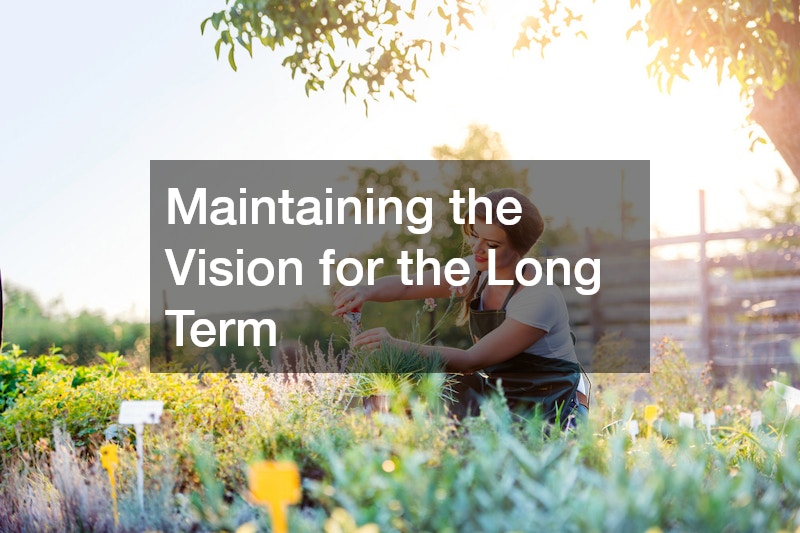
Once the contractors have packed up their tools and the dust has settled, the true life of the yard begins. A professional renovation is an investment, and like any investment, it requires a maintenance schedule to retain its value. The goal is to move from a “construction mindset” to an “enjoyment mindset,” where the chores are manageable and the results are consistent.
Managing the chemistry of your water features remains a top priority. Regularly checking the calcium hardness for pool surfaces ensures that your stone and plaster remain pristine for years to come. Simultaneously, keeping up with the needs of your foliage by visiting the garden center for seasonal updates or pest control solutions will keep the yard looking vibrant.
Finally, remember that a yard is a living thing. It will grow, change, and evolve. Trees will get taller, providing more shade; perennials will spread, filling in gaps; and stone will take on a weathered patina that adds character. By following this professional checklist, you have built more than just a yard—you have built a legacy space where your family can thrive for a generation.