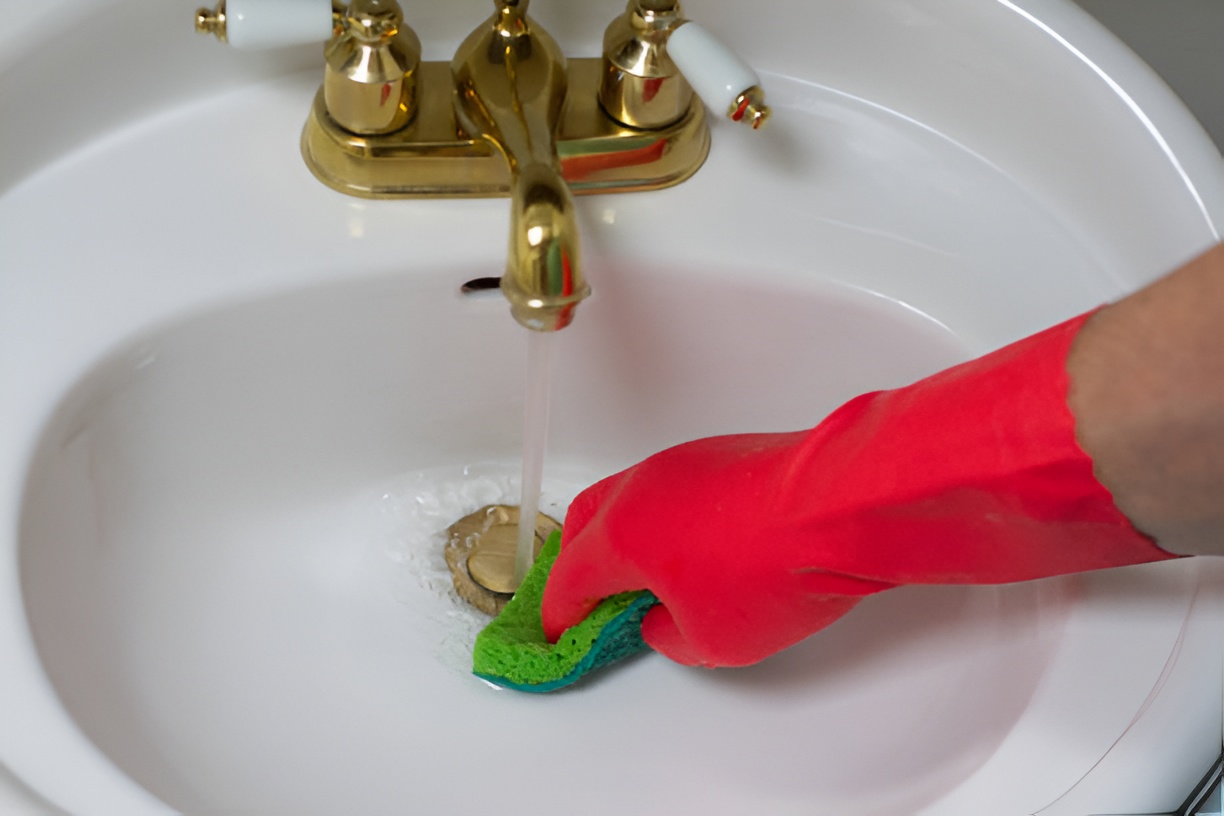

-
- Most bathroom sink clogs are preventable with simple, regular maintenance, so you don’t need expensive tools or professional help.
- Common clog culprits include hair, soap scum, toothpaste, makeup, and mineral deposits, which build up over time and trap more debris.
- A consistent cleaning schedule works best: light cleaning weekly and a deeper clean once a month to prevent buildup before it becomes a clog.
- Natural cleaning methods (baking soda + vinegar + hot water) are effective and safer than harsh chemical drain cleaners, especially for older pipes.
- Use preventive tools like drain catchers and drain snakes to remove hair and debris before it enters the pipes.
- Good habits like brushing hair before showering, wiping the sink after use, and running hot water after each use reduce debris buildup.
- If the drain slows despite regular cleaning, it may require a deeper clean or professional help, especially if you notice gurgling, foul odors, or water backup.
A clogged bathroom sink drain is one of those household annoyances that always seems to happen at the worst possible time. Whether you’re getting ready for work in the morning or doing a quick cleanup before guests arrive, a slow-draining sink can quickly turn into a bigger problem. The good news is that most clogs can be prevented with simple, regular maintenance. If you learn how to clean bathroom sink drain to prevent clogs before they happen, you’ll save time, money, and frustration.
In this guide, we’ll walk you through easy cleaning steps, preventive habits, and smart tools that keep your drain flowing smoothly. You don’t need special plumbing skills or expensive products—just a little consistency.
Why Do Bathroom Sink Drains Clog So Easily?
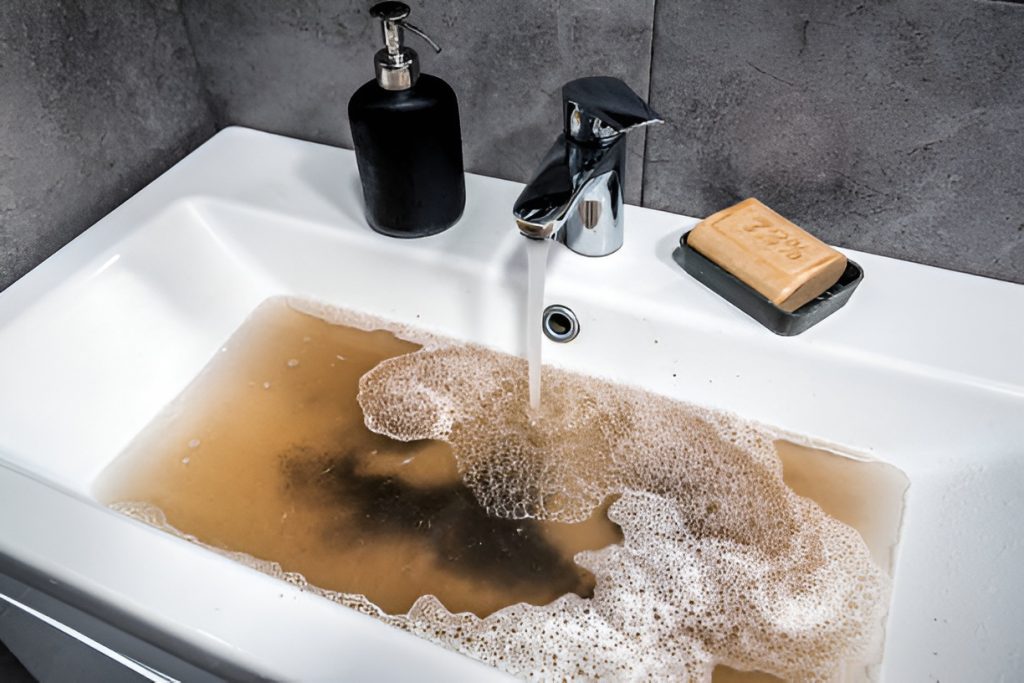
Bathroom sinks get clogged because they handle a lot of materials that naturally build up over time. The most common culprits include:
- Hair and skin cells
- Soap scum and residue
- Toothpaste buildup
- Makeup and facial oils
- Mineral deposits from hard water
These substances mix together in the drain and form a sticky residue that traps more debris. Before you know it, water drains slowly or not at all.
If you want to avoid clogs, learning how to clean sink drain properly is the first step because the buildup starts long before the water stops flowing.
How Often Should You Clean Your Bathroom Sink Drain?
If you want to prevent clogs before they happen, aim for a regular cleaning schedule. A good routine is:
- Light cleaning: once a week
- Deep cleaning: once a month
If you live in a home with multiple people, or if you notice the sink slowing down, you may want to clean more often. The goal is to remove buildup before it becomes a clog.
What’s the Best Way to Clean a Bathroom Sink Drain Without Harsh Chemicals?
Many drain cleaners contain harsh chemicals that can damage pipes, especially if you have older plumbing. The safest way to clean a bathroom sink drain is using natural, non-toxic methods.
Here’s a simple routine that works well:
What You’ll Need
- Baking soda
- White vinegar
- Boiling water
- A small brush or old toothbrush
- A drain stopper or plug
Step-by-Step Routine
- Remove the drain stopper and clean it with soap and water.
- Pour a pot of boiling water down the drain.
- Add 1/2 cup of baking soda directly into the drain.
- Follow with 1 cup of vinegar.
- Cover the drain and let the mixture sit for 10–15 minutes.
- Flush with hot water again to clear out loosened buildup.
This method works well because baking soda scrubs and deodorizes, while vinegar breaks down grime.
What Are the Best Tools to Prevent Drain Clogs?
If you want to keep your bathroom sink drain clear long-term, it helps to use the right tools.
Here are some of the best options:
Drain Catchers
A drain catcher is a simple, affordable tool that catches hair and debris before it enters the drain. It’s one of the easiest ways to prevent clogs.
Drain Snake
A small hand-held drain snake can help remove hair buildup without the need for harsh chemicals.
Pipe Brush
A flexible pipe brush can clean deeper areas of the drain that a regular brush can’t reach.
Plunger
A sink plunger is a great tool to keep on hand for minor slowdowns.
What Habits Help Prevent Clogs Before They Happen?
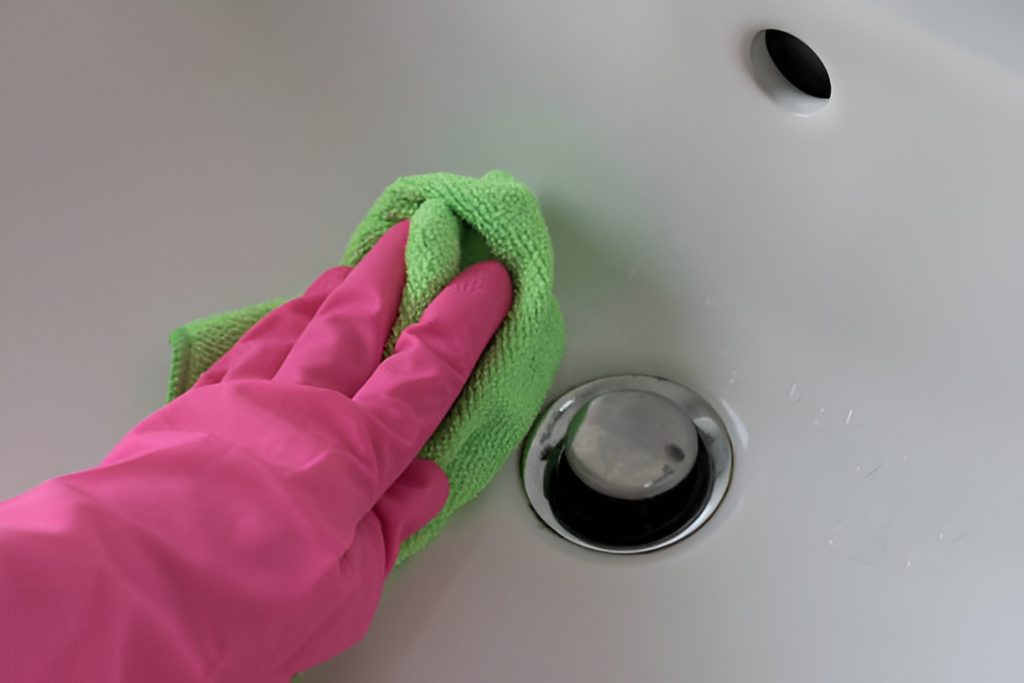
Preventing clogs is not just about cleaning. It’s also about adopting habits that reduce the amount of debris entering the drain.
Here are some habits that make a big difference:
1. Brush Your Hair Before Showering
If you brush hair before washing your face or showering, less hair ends up in the sink.
2. Wipe the Sink After Use
A quick wipe removes soap residue and makeup particles that would otherwise wash down the drain.
3. Don’t Flush Makeup or Facial Products
Avoid rinsing makeup wipes, cotton pads, or facial cleansing wipes down the sink. These items can stick to the pipes and cause buildup.
4. Run Hot Water After Each Use
Running hot water for 10–15 seconds after using the sink helps dissolve oils and keeps residue from sticking.
How Can You Clean the Drain Stopper?
The drain stopper is often the biggest source of hair and soap buildup. Cleaning it regularly is one of the most effective prevention steps.
Simple Cleaning Steps
- Remove the stopper.
- Scrub it with a brush and warm, soapy water.
- Rinse thoroughly and replace.
If you notice buildup inside the stopper’s grooves, use a toothpick or small brush to clean it out.
What If Your Drain Is Already Slowing Down?
If you notice water pooling or draining slowly, it’s time for a deeper clean. A slow drain is a warning sign that buildup is forming.
Quick Deep-Clean Method
- Remove the stopper
- Use a drain snake or pipe brush
- Flush with hot water
- Repeat the baking soda + vinegar routine
If you still notice slow drainage after trying these steps, it may be time to inspect the P-trap or call a plumber.
How to Clean Bathroom Sink Drain Without Removing the P-Trap
You don’t always need to disassemble plumbing to clean a drain. Here’s a method that works without removing the P-trap:
Tools Needed
- Drain snake or flexible pipe brush
- Baking soda and vinegar
- Hot water
Steps
- Run hot water for 10 seconds.
- Insert the drain snake and rotate slowly.
- Pull out any hair or debris.
- Pour baking soda, then vinegar.
- Let sit, then flush with hot water.
This method is quick, effective, and doesn’t require advanced tools.
What Are the Most Common Mistakes When Cleaning a Bathroom Sink Drain?
To prevent clogs, avoid these common mistakes:
- Using harsh chemical drain cleaners too often
- Ignoring slow drainage
- Not cleaning the drain stopper
- Forgetting to use a drain catcher
- Not cleaning regularly
These mistakes can lead to bigger clogs and expensive repairs.
When Should You Call a Plumber?
If you’ve tried all the prevention steps and your sink still drains slowly, it may be a deeper issue.
You should call a plumber if:
- Water drains very slowly even after cleaning
- You hear gurgling noises from the drain
- There’s a foul odor that won’t go away
- Water backs up into the sink
A plumber can inspect your pipes, remove deep clogs, and help you prevent future problems.
How to Create a Cleaning Routine That Sticks
The best prevention plan is one you can stick to. Here’s a simple routine that works:
Weekly Routine
- Remove and clean the stopper
- Run hot water for 15 seconds
- Wipe the sink and drain area
Monthly Routine
- Deep clean with baking soda + vinegar
- Use a drain snake or pipe brush
- Check for slow drainage
By keeping a routine, you’ll prevent buildup before it becomes a clog.
Wrapping It Up
Learning how to clean bathroom sink drain to prevent clogs before they happen is one of the easiest ways to maintain your home. It takes just a few minutes each week, but it can save you from major headaches later. With simple tools, natural cleaning methods, and consistent habits, you can keep your sink draining smoothly for years.
If you want a clean, functional bathroom sink without the stress of clogs, start with these prevention steps today. Your future self will thank you.