
- Smelly drains usually mean trapped organic buildup: Food particles, grease, hair, soap scum, toothpaste residue, and mineral deposits can accumulate in pipes and create foul odors over time.
- Early warning signs mean it’s time to clean: Slow drainage, water backing up, gurgling sounds, lingering odors, residue after draining, or frequent clogs are all signals that the drain needs attention.
- Natural cleaning is safe and effective: Using hot water, baking soda, and vinegar is a simple and eco-friendly method that helps dissolve grease and neutralize odors without damaging pipes.
- Clogs often require more direct removal: Plunging, removing the stopper, and using a drain snake or wire hanger can clear blockages that a simple flush can’t fix.
- Kitchen drains need extra care: Grease, food scraps, coffee grounds, eggshells, and pasta/rice are common clog sources, so using strainers and avoiding grease disposal is essential.
- Bathroom drains clog from hair and soap scum: Regular cleaning and using a hair catcher can prevent buildup and reduce odor.
- Preventive maintenance is the best strategy: Weekly hot water flushes, monthly baking soda and vinegar cleaning, and keeping grease and hair out of the drain can prevent major clogs and costly plumbing issues.
A sink drain is one of those household features that quietly does its job—until it doesn’t. When your sink starts draining slowly, gurgling, or emitting unpleasant odors, it’s a clear sign that your drain needs attention. Fortunately, cleaning a sink drain is a task you can handle yourself, without calling a plumber or buying expensive tools.
In this ultimate guide, you’ll learn how to clean sink drain effectively, safely, and in a way that prevents future clogs. Whether it’s your kitchen sink, bathroom sink, or utility sink, this guide has you covered.
Why Does My Sink Drain Smell Bad?
A smelly sink drain is usually caused by trapped organic matter that sits in the pipes and decomposes. Over time, this buildup becomes a breeding ground for bacteria, which produces a foul odor that can travel back up through the drain. Even if your sink looks clean on the surface, the inside of the drain can be full of hidden debris and grime.
Common culprits include:
- Food particles: Tiny bits of food often slip past the drain strainer and get trapped in the pipe. As these particles break down, they release gases that cause a rotten smell.
- Grease buildup: Grease and cooking oils may look harmless when they’re warm, but once they cool, they solidify and stick to the inside of your pipes. Over time, grease can create a thick, sticky layer that traps food and bacteria, leading to persistent odors.
- Hair and soap scum: In bathroom sinks, hair and soap combine to form a thick residue that clings to the pipe walls. As hair and soap scum accumulate, they trap dirt and bacteria, which produces a strong smell.
- Toothpaste residue: Toothpaste contains oils, flavorings, and other additives that can stick to the pipe surface. Over time, these residues build up and become a breeding ground for bacteria.
- Soap and shampoo buildup: Similar to toothpaste, soap and shampoo leave behind a film that gradually hardens inside the drain. This buildup traps dirt and bacteria and contributes to odor.
- Mineral deposits: If you have hard water, minerals like calcium and magnesium can build up inside the pipes. These deposits create rough surfaces where bacteria and debris can cling, leading to unpleasant smells.
Even if your sink looks clean, the inside of the drain can be full of hidden buildup. The good news is that once you clean the drain, the smell usually disappears quickly.
What Are the Signs Your Sink Drain Needs Cleaning?
Knowing when to clean your drain helps you prevent major clogs and plumbing issues. When you ignore early warning signs, minor buildup can turn into a full blockage that requires professional help. Here are the most common signs your drain needs attention:
- Water drains slowly: If water takes longer than usual to disappear, it means the pipe is partially blocked. Slow drainage is usually caused by buildup that reduces the pipe’s flow.
- Water backs up when you run the faucet: If water starts to rise when you turn on the tap, it’s a sign that the drain is struggling to move water through the pipe. This can quickly lead to a full clog if left untreated.
- Gurgling noises from the drain: A gurgling sound indicates that air is trapped in the pipe because water can’t flow freely. This is a common sign of a partial blockage or buildup in the drain line.
- Bad odor coming from the sink: Foul smells are often the first sign of bacteria buildup in the drain. If you notice a rotten or sour odor, your drain likely needs cleaning.
- Sink drains completely but leaves residue: If your sink drains but leaves behind a thin film of water or residue, it may indicate grease or soap buildup that is slowing down the drain and causing odor.
- Frequent clogs: If your sink clogs more often than normal, it’s a clear sign that buildup is forming in the drain. Regular clogs are a strong indicator that it’s time for a deep clean.
If you notice any of these signs, it’s time to clean the sink drain. Taking action early can prevent bigger plumbing issues later.
What Tools and Supplies Do You Need?
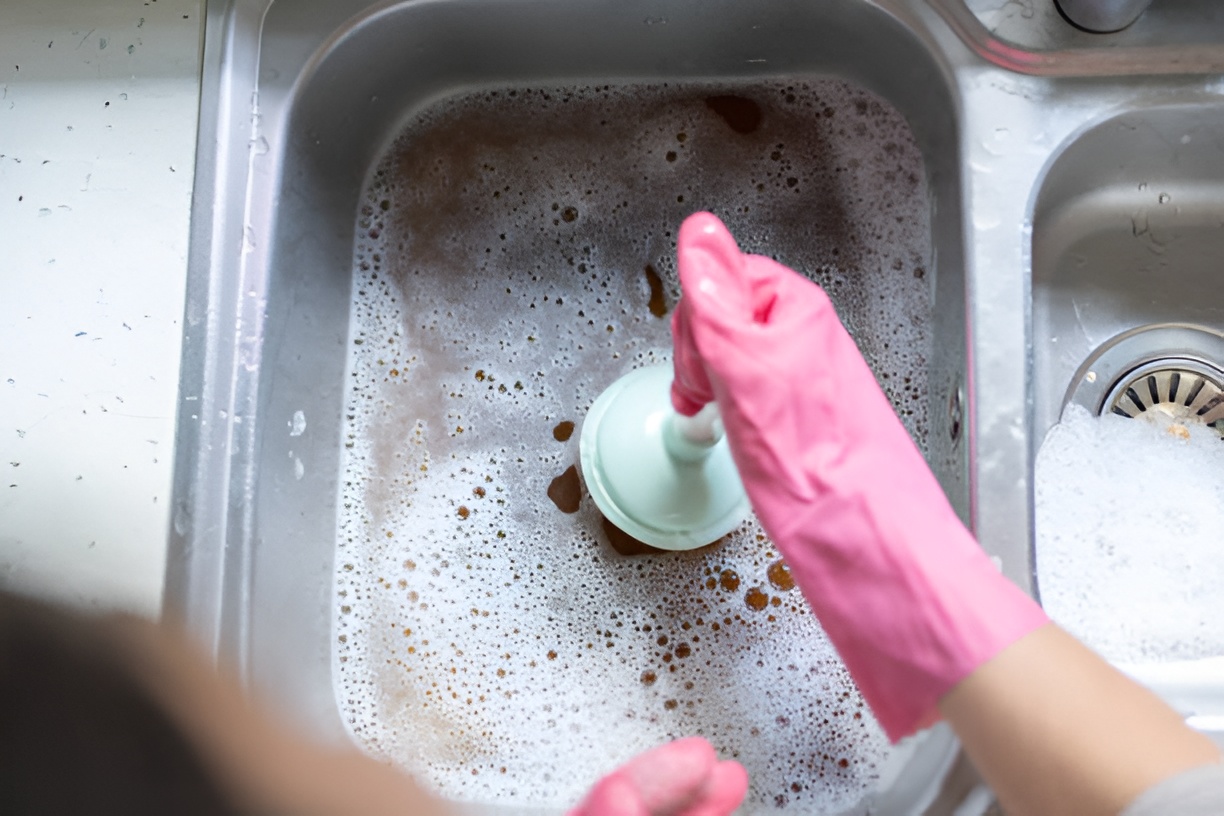
Cleaning a sink drain doesn’t require a lot of tools. Here’s what you’ll need:
Basic Supplies
- Rubber gloves
- Bucket
- Old toothbrush
- Plunger
- Baking soda
- White vinegar
- Boiling water
- Dish soap
- Wire hanger (optional)
- Drain snake (optional)
- Pipe wrench (optional)
Most of these items are already in your home, which makes this a quick and affordable DIY task.
How to Clean Sink Drain Naturally (Without Chemicals)
If you prefer a natural approach, this method is simple, safe, and effective. It’s especially good for routine maintenance and for preventing buildup before it becomes a major problem. This method uses ingredients you likely already have at home, and it avoids harsh chemicals that can damage pipes over time.
Step-by-Step Natural Cleaning
- Boil a kettle of water: Heating water helps dissolve grease and loosen buildup before you apply any cleaning agents.
- Pour the boiling water down the drain to loosen grime: This first flush helps melt away grease and softens residues that may be stuck to the pipe walls.
- Add 1/2 cup of baking soda into the drain: Baking soda is a mild abrasive that helps break down buildup and neutralize odors.
- Follow with 1 cup of white vinegar: Vinegar reacts with baking soda to create a foaming action that helps dislodge debris and break down greasy residue.
- Cover the drain and let the mixture sit for 10–15 minutes: Covering the drain keeps the reaction contained and allows it to work deeper inside the pipe.
- Flush the drain with hot water again: A final rinse helps wash away loosened grime and removes any remaining residue.
This method helps dissolve grease, remove odors, and clear minor buildup. It’s safe for most pipes and works well as a regular maintenance routine.
How to Clean Sink Drain When It’s Clogged
A clogged drain needs more than a simple flush. This method targets clogs directly and helps you remove the blockage without damaging the pipes.
Step-by-Step Clog Removal
- Remove standing water using a cup or bucket: Clearing the water makes it easier to work on the clog and see what’s causing the blockage.
- Use a plunger to loosen the clog: A few firm plunges can create enough pressure to break up the blockage and move it through the pipe.
- If the clog persists, remove the drain stopper and clean the visible debris: Hair, food, and soap residue often get trapped around the stopper. Cleaning this area can immediately improve flow.
- Use a drain snake or wire hanger to pull out the clog: Insert the snake or straightened hanger into the drain, twist gently, and pull out trapped debris. This is often the most effective way to remove stubborn clogs.
- Flush the drain with hot water: Once the clog is removed, hot water helps clear any remaining residue and restores proper flow.
If you still have a clog after these steps, it may be deeper in the plumbing system. In that case, it’s best to call a plumber to avoid causing damage or pushing the clog further down the line.
How to Clean Kitchen Sink Drain Specifically
Kitchen drains are prone to clogs because they deal with food particles, grease, and oils. Keeping your kitchen sink drain clean helps prevent slow drainage, bad smells, and costly plumbing issues.
Common Kitchen Drain Problems
- Grease buildup: Cooking oils and fats solidify as they cool, forming a sticky layer that traps food debris.
- Food scraps: Tiny bits of food can slip past the strainer and accumulate in the pipes over time.
- Coffee grounds: Coffee grounds tend to clump together and can create a dense clog in the drain.
- Eggshells: Eggshell fragments may seem harmless, but they can cling to pipe walls and create buildup.
- Pasta and rice: These foods expand in water and can quickly create blockages when they get stuck in the drain.
Kitchen Drain Cleaning Routine
- Run hot water after every use: Hot water helps wash away grease and prevents it from cooling and sticking to the pipes.
- Avoid pouring grease down the drain: Instead, collect grease in a container and dispose of it in the trash.
- Use a sink strainer to catch food debris: A strainer prevents food particles from entering the drain and reduces the risk of clogs.
- Clean the drain with baking soda and vinegar weekly: This routine helps dissolve grease and prevents odors before they become a problem.
These small habits will prevent major clogs and keep your sink smelling fresh.
How to Clean Bathroom Sink Drain
Bathroom drains often clog due to hair and soap scum. Cleaning your bathroom sink drain regularly keeps water flowing smoothly and prevents foul odors from developing.
Step-by-Step Bathroom Drain Cleaning
- Remove the drain stopper: Many clogs form around the stopper, so removing it gives you direct access to the blockage.
- Use a toothbrush or small brush to clean the stopper: Soap scum and hair often cling to the stopper, so scrubbing it helps remove buildup.
- Use a wire hanger to remove hair and buildup: Straighten the hanger, create a small hook at the end, and gently pull out trapped hair and debris.
- Pour hot water down the drain: Hot water helps dissolve soap scum and flush away loose debris.
- Use baking soda and vinegar for deeper cleaning: This combination breaks down buildup and neutralizes odors inside the drain.
Bathroom drains benefit from frequent cleaning because hair and soap buildup quickly.
Is It Safe to Use Chemical Drain Cleaners?
Chemical drain cleaners can be effective, but they come with risks:
Pros
- Works quickly
- Removes tough clogs
Cons
- Can damage pipes over time
- Releases toxic fumes
- Not safe around children or pets
- Can worsen the problem if used incorrectly
If you choose to use a chemical drain cleaner, follow the instructions carefully and use protective gloves and ventilation. For most home clogs, natural methods work well and are safer.
How Often Should You Clean Your Sink Drain?
Regular maintenance prevents clogs and odors. Here’s a good cleaning schedule:
- Weekly: Flush with hot water and dish soap.
- Monthly: Use baking soda and vinegar.
- Every 3–6 Months: Deep clean the drain stopper and P-trap (if needed).
If you use your sink heavily, you may need to clean more frequently.
What Is the P-Trap and Why Does It Matter?
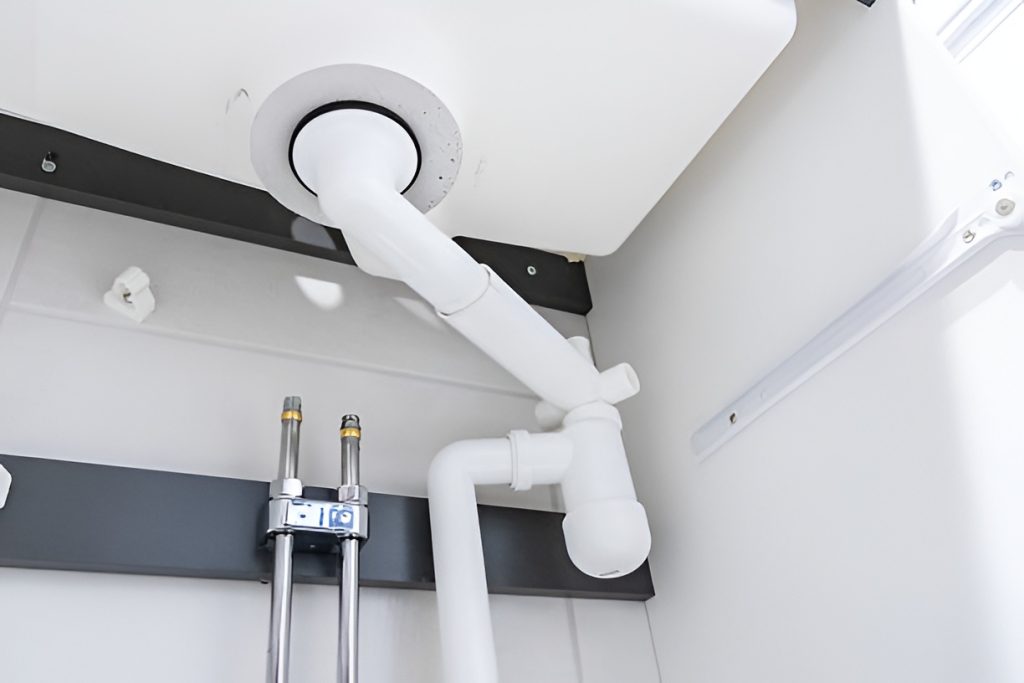
The P-trap is the curved pipe located under your sink. It holds a small amount of water, which acts as a barrier to prevent sewer gases from coming back up through the drain. This is an important part of your plumbing system because it keeps your home smelling fresh and protects your family from harmful odors.
However, the P-trap also traps debris like hair, soap scum, grease, and food particles. Over time, this debris can build up and cause clogs or unpleasant odors. Cleaning the P-trap is often the best way to solve persistent drainage problems because it removes the blockage at the source.
How to Clean the P-Trap
- Place a bucket under the P-trap: This catches water and debris when you disconnect the pipe.
- Loosen the slip nuts on both ends: These nuts hold the P-trap in place. Use a wrench if needed, but avoid over-tightening.
- Remove the P-trap and clean the inside: Empty out any trapped debris, then scrub the inside with a brush or rinse it with water.
- Reassemble the pipe and run water to check for leaks: Make sure the connections are tight, then run the faucet and check for leaks under the sink.
Cleaning the P-trap can solve persistent clogs and odors by removing the buildup that causes slow drainage.
How to Prevent Future Sink Drain Clogs
Prevention is the best way to keep your sink drain clean. By following a few simple habits, you can avoid the frustration of frequent clogs and bad odors.
- Use a drain strainer in the kitchen and bathroom: Strainers catch food particles, hair, and other debris before they enter the pipe.
- Avoid pouring grease down the drain: Grease solidifies in the pipes and forms a sticky layer that traps other debris.
- Run hot water after each use: Hot water helps wash away grease and prevents buildup from sticking to the pipes.
- Don’t flush food scraps or coffee grounds: These items can clump together and cause blockages.
- Clean your drain monthly with baking soda and vinegar: This routine helps dissolve grease and neutralize odors before they become a problem.
- Keep hair out of bathroom drains: Use a hair catcher or drain screen to prevent hair from entering the pipe.
These simple habits can save you time, money, and frustration by keeping your drains flowing smoothly.
What If My Sink Drain Still Smells After Cleaning?
If the smell persists, the issue might be deeper than the drain itself. Here are common causes that may require professional attention:
- Bacteria buildup in the pipes: Persistent odor can be caused by bacteria stuck in the pipes that regular cleaning can’t reach.
- A dry P-trap (water seal broken): If the P-trap dries out, sewer gases can escape into your home. This happens when a sink isn’t used often.
- Mold or mildew in the pipes: Moist environments inside the pipes can promote mold growth, which causes a musty smell.
- Sewer line issues: A problem in the main sewer line can cause odors to back up into your home.
If your sink smell continues despite cleaning, it may be time to call a plumber to inspect the issue and provide a solution.
When Should You Call a Plumber?
Most sink drain issues can be solved at home, but sometimes you’ll need professional help. Call a plumber if:
- The drain is completely blocked
- Water backs up into other sinks or tubs
- You notice sewage smell
- The clog returns frequently
- You have multiple drains clogging at once
A plumber can diagnose deeper problems and prevent long-term damage.
Final Thoughts: Learn How to Clean Sink Drain the Right Way
Cleaning your sink drain is one of those home tasks that makes a big difference in comfort and hygiene. With simple tools and a little time, you can eliminate odors, prevent clogs, and keep your plumbing working smoothly.
Remember, the best approach is a combination of regular maintenance and safe cleaning methods. Use baking soda and vinegar for routine cleaning, hot water to flush grease, and a drain snake for stubborn clogs. With this guide, you’ll be able to keep your sink drain clean and your home odor-free.