
Key Takeaways
- Certain houseplants can help reduce indoor moisture while enhancing the appearance and comfort of your living space.
- Peace lilies, Boston ferns, spider plants, English ivy, bamboo palms, and orchids are popular choices for humid indoor areas.
- Houseplants should complement, not replace, proper ventilation, leak repairs, and humidity control methods.
- Regularly inspect your home for signs of moisture, leaks, condensation, and mold to address problems early.
- Good airflow, exhaust fans, and dehumidifiers are essential for maintaining a dry and healthy indoor environment.
- After heavy rain or flooding, thoroughly inspect and dry affected areas to reduce the risk of mold growth.
- Choose plants based on each room’s lighting and humidity conditions to keep them healthy and effective.
Excess moisture inside a home can lead to more than just foggy windows and musty odors. Over time, high humidity can encourage mold and mildew growth, damage walls and furniture, and create an uncomfortable indoor environment. While dehumidifiers and proper ventilation are the most effective ways to control indoor humidity, certain houseplants can also play a small but helpful role in creating a healthier living space.
Some plants naturally absorb moisture from the air through their leaves and roots. Although they won’t replace a dehumidifier, they can complement other moisture-control strategies while adding beauty, cleaner air, and a calming atmosphere to your home.
If you’re looking for practical ways to improve indoor comfort, this guide explores several moisture-loving plants, explains how they help, and shares additional tips for preventing mold and mildew throughout your home.
Why Indoor Moisture Becomes a Problem
Everyday activities add moisture to the air. Cooking, showering, washing clothes, and even breathing increase indoor humidity. During rainy seasons or in humid climates, moisture levels can rise even further.
When humidity remains too high for long periods, condensation may form on windows, walls, and other cool surfaces. Damp areas provide ideal conditions for mold and mildew to grow, especially in bathrooms, kitchens, laundry rooms, and basements.
Managing humidity early helps protect both your home’s structure and your family’s comfort.
Plants can contribute to moisture management, but they work best alongside proper ventilation and routine maintenance.
Common sources of indoor humidity include:
- Showers and baths
- Cooking
- Drying laundry indoors
- Leaking pipes
- Poor ventilation
- Humid weather
How Plants Help With Indoor Humidity
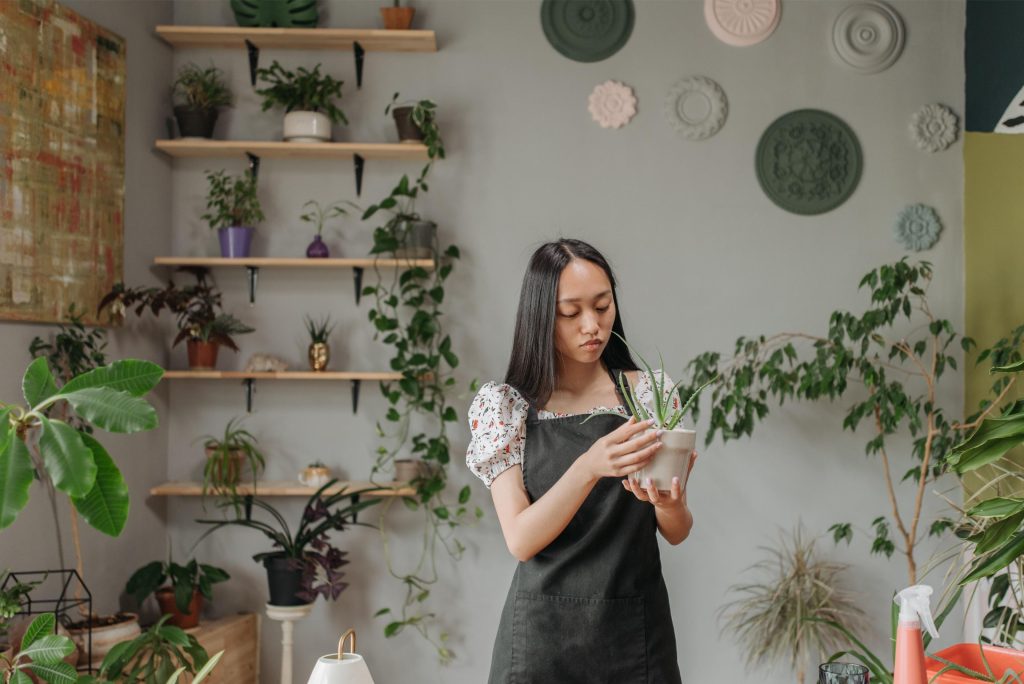
Plants absorb water through their root systems and release moisture through a natural process called transpiration. At the same time, certain varieties also collect small amounts of airborne moisture through their leaves.
While the amount of humidity removed by individual plants is relatively modest, placing several moisture-loving plants throughout damp areas can support a healthier indoor environment.
Beyond moisture control, many houseplants also improve the appearance of a room and contribute to a relaxing atmosphere that encourages homeowners to care for their living spaces.
Think of plants as one part of a broader humidity-control strategy rather than a complete solution.
Benefits of indoor plants include:
- Natural beauty
- Improved indoor atmosphere
- Moisture absorption
- Air quality support
- Stress reduction
- Decorative appeal
1. Peace Lily
The peace lily is one of the most recommended houseplants for humid environments. Its broad leaves absorb moisture from the surrounding air while thriving in bathrooms and other damp areas with indirect light.
Peace lilies are relatively easy to care for and produce elegant white flowers throughout much of the year. They prefer consistently moist soil but should not remain waterlogged.
Because peace lilies are toxic if ingested, place them out of reach of curious pets and young children.
Their attractive appearance makes them a favorite choice for many homeowners.
Peace lily care tips:
- Bright indirect light
- Moderate watering
- Well-draining soil
- Avoid direct sunlight
- Remove faded blooms
2. Boston Fern
Boston ferns naturally grow in humid environments, making them excellent additions to bathrooms, laundry rooms, or covered porches.
Their feathery foliage absorbs moisture while adding lush greenery to indoor spaces. Boston ferns prefer consistently moist soil and higher humidity than many other houseplants.
Regular misting may help if your indoor air becomes especially dry during winter.
With proper care, these ferns become beautiful focal points in many rooms.
Boston fern growing needs:
- High humidity
- Indirect light
- Moist soil
- Occasional misting
- Good drainage
3. English Ivy
English ivy is another plant commonly associated with reducing indoor moisture while covering vertical spaces beautifully.
Its trailing vines work well in hanging baskets, shelves, or decorative containers. English ivy tolerates moderate indoor lighting and benefits from regular watering without allowing soil to become overly saturated.
Some studies have suggested that ivy may help improve indoor air quality, although good ventilation remains the most important factor.
Trim vines occasionally to maintain healthy growth.
English ivy works well in:
- Hanging baskets
- Shelves
- Bathrooms
- Home offices
- Entryways
4. Spider Plant
Spider plants are among the easiest houseplants to grow, making them ideal for beginners.
Their long arching leaves create an attractive display while requiring relatively little maintenance. Spider plants adapt to many indoor conditions and recover well if occasional watering is missed.
They also produce small plantlets that can be propagated into new plants for other rooms.
Their resilience makes them popular additions to homes seeking low-maintenance greenery.
Spider plant care includes:
- Bright indirect light
- Moderate watering
- Well-draining soil
- Occasional trimming
- Minimal fertilizing
5. Bamboo Palm
Bamboo palms bring a tropical appearance to indoor spaces while thriving in moderate humidity.
These plants grow larger than many common houseplants, making them excellent choices for corners, entryways, or spacious living areas.
Their dense foliage creates visual interest while contributing modestly to indoor moisture regulation.
Provide filtered light and avoid overwatering to keep bamboo palms healthy.
Bamboo palms prefer:
- Bright filtered light
- Moist soil
- Good drainage
- Moderate temperatures
- Occasional feeding
6. Orchids
Many orchid varieties naturally grow in humid environments and absorb moisture through specialized aerial roots.
While orchids require somewhat more attention than beginner-friendly houseplants, their beautiful flowers make the effort worthwhile.
Bathrooms with bright indirect light often provide excellent growing conditions.
Proper watering remains important because excessive moisture around the roots can damage the plant.
Healthy orchids reward consistent care with long-lasting blooms.
Orchid care basics:
- Bright indirect light
- Specialized orchid mix
- Moderate watering
- Humid environment
- Good airflow
Plants Alone Cannot Prevent Mold
Although moisture-absorbing plants offer several benefits, they should never be relied upon as the primary method for controlling humidity.
If your home has persistent condensation, water intrusion, plumbing leaks, roof damage, or flooding, those underlying problems must be addressed directly.
Mold grows because moisture is present—not because plants are absent.
Effective humidity control combines ventilation, insulation, leak repair, and proper airflow throughout the home.
Additional moisture-control methods include:
- Use exhaust fans
- Repair plumbing leaks
- Run dehumidifiers
- Improve ventilation
- Open windows when appropriate
- Monitor humidity levels
Inspect Your Home Regularly
Routine inspections help identify moisture problems before mold becomes widespread.
Check under sinks, around windows, behind appliances, inside cabinets, and near exterior doors for signs of water intrusion. Look for peeling paint, discoloration, soft drywall, musty odors, or visible mold growth.
Regular inspections support staying on top of home maintenance because small issues can often be repaired before they become expensive structural problems.
Combining plants with consistent maintenance creates a healthier indoor environment.
Inspect these areas often:
- Bathrooms
- Kitchens
- Basements
- Laundry rooms
- Window frames
- Plumbing connections
Pay Extra Attention After Severe Weather
Heavy rain, hurricanes, and major storms can introduce moisture into homes even when damage initially appears minor.
Roof leaks, damaged siding, broken windows, and flooding often allow hidden moisture to accumulate inside walls or under flooring. During recovering after storm damage, it’s important to inspect your home carefully for water intrusion, dry affected materials promptly, and monitor humidity levels over the following weeks.
Adding indoor plants can help freshen your space afterward, but they should never replace professional drying equipment when significant water damage has occurred.
Addressing storm-related moisture quickly helps reduce the risk of mold development.
After severe weather, check:
- Roof
- Attic
- Windows
- Basement
- Crawl spaces
- Exterior walls
Create Better Airflow Throughout Your Home
Good airflow is one of the simplest ways to reduce excess humidity.
Keep furniture slightly away from exterior walls to allow air circulation. Avoid blocking air vents with rugs or large furniture, and use ceiling fans to improve airflow throughout frequently used rooms.
Opening windows during suitable weather can also help exchange humid indoor air for drier outdoor air when conditions permit.
Even small improvements in circulation help reduce moisture buildup.
Ways to improve airflow:
- Use ceiling fans
- Open interior doors
- Keep vents clear
- Rearrange crowded furniture
- Open windows when appropriate
Choosing the Right Plant for Each Room
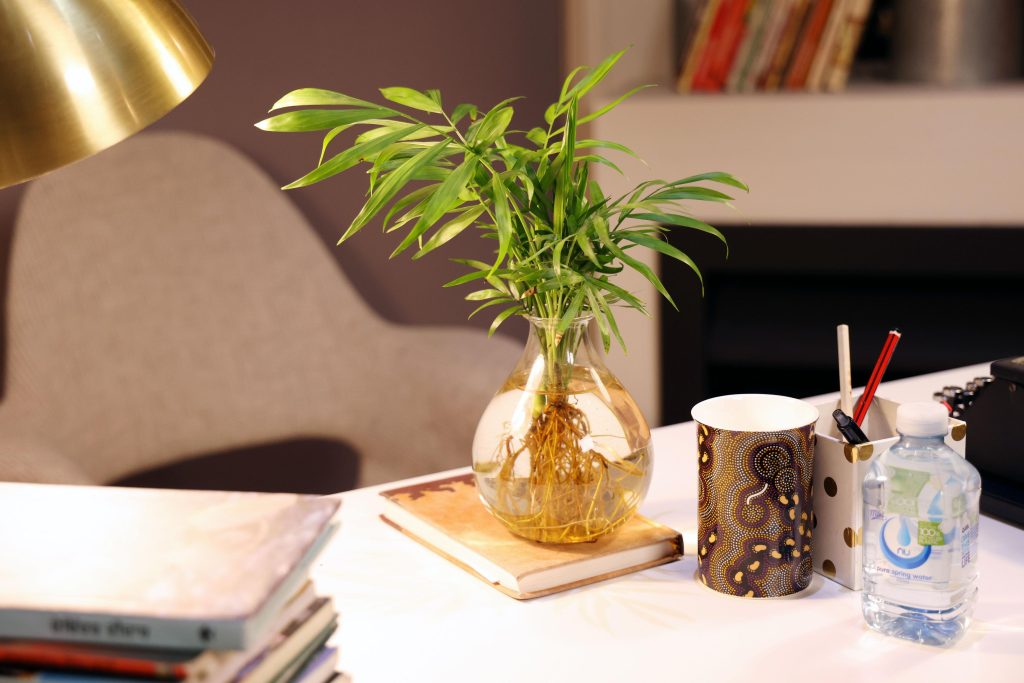
Different rooms have different humidity levels and lighting conditions, so selecting appropriate plants improves both their health and their effectiveness.
Bathrooms often support peace lilies, Boston ferns, and orchids because of naturally higher humidity. Living rooms may better suit bamboo palms or spider plants, while English ivy performs well in hanging baskets near windows.
Matching each plant to its environment helps ensure long-term success.
Healthy plants provide greater beauty and require less maintenance.
Good room pairings include:
- Bathroom: Peace lily
- Laundry room: Boston fern
- Living room: Bamboo palm
- Office: Spider plant
- Entryway: English ivy
Final Thoughts
Indoor plants that absorb moisture can be valuable additions to your home, especially when combined with good ventilation and regular maintenance. Peace lilies, Boston ferns, English ivy, spider plants, bamboo palms, and orchids each offer unique benefits while adding natural beauty to your living spaces.
However, it’s important to remember that plants are only one part of effective moisture control. Persistent humidity, leaks, flooding, or condensation require direct solutions such as improved ventilation, repairs, and dehumidification. Ignoring these underlying issues can allow mold and mildew to develop regardless of how many plants you own.
By choosing moisture-loving houseplants, inspecting your home regularly, improving airflow, and addressing water problems promptly, you can create a healthier, more comfortable indoor environment. A thoughtful combination of natural greenery and practical home maintenance helps protect both your property and your family’s well-being for years to come.