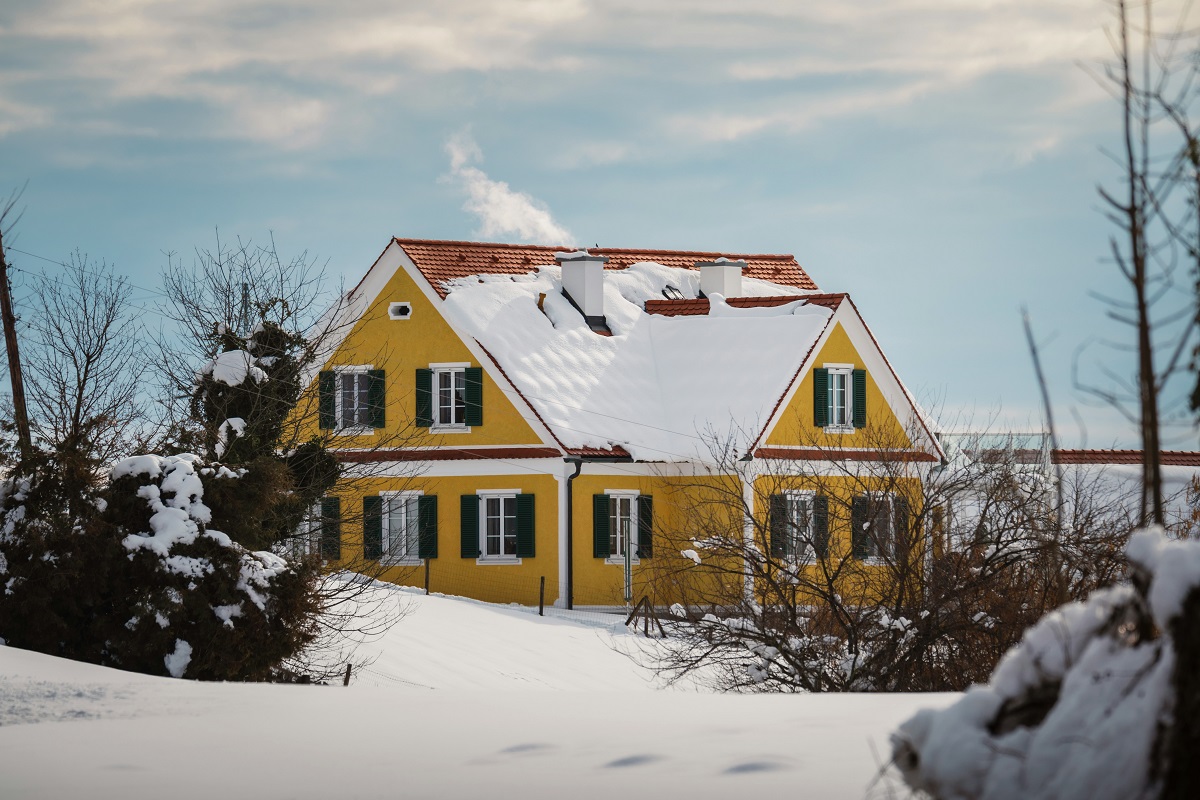

Moving into a new house is exciting, but when that move happens just before winter, the excitement can quickly turn into worry. You’re still unpacking boxes, learning where the circuit breaker lives, and figuring out which neighbor to wave at. Then the forecast announces a major snowstorm, and suddenly you realize you have no idea whether the roof can handle it, where the water shutoff is, or how long your heater will keep running if the power goes out.
Being new to a home means you haven’t had the chance to learn its quirks through a full season. Previous owners knew which window leaks cold air, which pipe freezes first, and which breaker trips during a space heater marathon. You don’t have that history yet, and winter doesn’t give you a grace period to figure it out.
The good news is that a little preparation goes a long way. The sections below walk through the most common problems new homeowners face when a winter storm hits, with practical steps for each one. Think of it as a crash course in surviving your first winter under a brand-new roof.
Why Does an Unfamiliar House Feel Riskier in a Storm?
The biggest problem recent movers face is simply not knowing the property. You might have walked through the house three times before closing, but a walkthrough in October doesn’t tell you how the attic reacts to twelve inches of snow in January. Hidden issues like a slow roof leak, poorly insulated crawl spaces, or an aging furnace can stay quiet until the first real cold snap exposes them.
The solution is a focused inspection in the weeks leading up to winter. Walk every room with a notebook. Check for drafts around windows, listen for odd sounds when the heat kicks on, and look up — water stains on ceilings often tell a story the previous owner never shared. If something looks off, call a professional before the storm, not during it.
Get to Know Your Shutoffs and Breakers
Before any bad weather arrives, locate and label the main water shutoff, the gas shutoff, and every circuit breaker. Tape a small index card next to each one. During a storm, you don’t want to be hunting through a dark basement with a flashlight trying to figure out which switch controls the bedroom outlets. Practice turning the main water valve a quarter turn so it doesn’t seize up when you actually need it.
How Can You Keep Pipes From Freezing in a New Place?
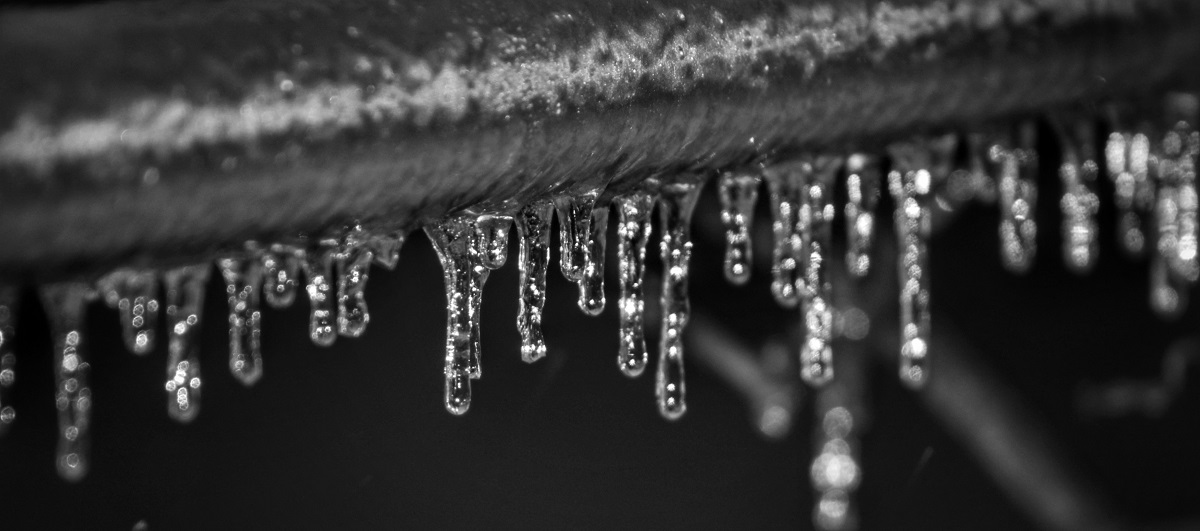
Frozen pipes are one of the most expensive winter disasters, and they strike new homeowners especially hard because you don’t yet know which lines run through unheated spaces. A burst pipe can dump hundreds of gallons of water into your walls within an hour. For anyone still settling in, this is the fastest way to turn a happy move into a renovation nightmare.
Start by identifying every pipe that runs along an exterior wall, through the garage, or in an unheated basement or crawl space. These are your vulnerable spots. Foam pipe insulation is cheap, easy to install, and dramatically reduces the risk. On the coldest nights, let faucets drip slightly — moving water freezes much more slowly than still water.
- Open cabinet doors under sinks on exterior walls to let warm air circulate
- Disconnect and drain garden hoses, then cover outdoor spigots with insulated caps
- Keep the thermostat at a steady temperature day and night, even when you’re away
- Seal gaps where pipes enter the house using caulk or expanding foam
- Know exactly where the main water shutoff is before a pipe bursts, not after
If you do find a frozen pipe, thaw it slowly with a hair dryer starting from the faucet end. Never use an open flame.
What Should You Do About Heating Hazards?
Heating systems cause more winter emergencies than almost anything else. According to FEMA, roughly 32,200 home heating fires were reported in 2021 across the country, and a surprising share involve space heaters and fireplaces being used in ways the manufacturer never intended. When you’re new to a house, you may not know when the furnace was last serviced or whether the chimney has been cleaned in years.
Schedule a furnace tune-up as soon as you move in. A technician will check the heat exchanger, replace filters, and confirm the system is venting properly. If the home has a wood-burning fireplace or stove, hire a certified chimney sweep before the first fire. Creosote buildup is invisible from the living room but extremely flammable.
Space heaters deserve their own set of rules. Keep them at least three feet from anything that can burn, plug them directly into wall outlets rather than power strips, and never leave them running in an empty room. These small habits are a core part of general Home Safety that tends to get overlooked during the chaos of unpacking.
Carbon Monoxide Deserves Extra Attention
Carbon monoxide is odorless, colorless, and deadly. The U.S. Consumer Product Safety Commission reports that portable generators alone are tied to about 100 carbon monoxide deaths each year in the United States. Install a CO detector on every floor, especially near sleeping areas, and test them monthly. Never run a generator in a garage, basement, or within twenty feet of any window or vent.
How Do You Prepare for a Power Outage You Didn’t See Coming?
Power outages during winter storms can last hours or days, and they’re worse when you don’t know how your house behaves without electricity. Does the sump pump have a battery backup? Will the garage door open manually? Where are the candles — or are there any at all? These are the small questions that become big problems at 2 a.m. when the lights go out.
Build a storm kit now and store it somewhere obvious. A hall closet near the front of the house works well. The point is that anyone in the family should be able to find it in the dark without thinking.
- Flashlights with fresh batteries in every bedroom
- Bottled water, at least one gallon per person per day for three days
- Non-perishable food that doesn’t need cooking
- Warm blankets, wool socks, and extra layers staged in one place
- A battery-powered or hand-crank radio for weather updates
- A portable phone charger, fully charged at the start of each winter week
If you plan to buy a generator, read the manual before the storm hits. Practice starting it in daylight, in good weather, when you have time to troubleshoot.
What About the Exterior of the Property?
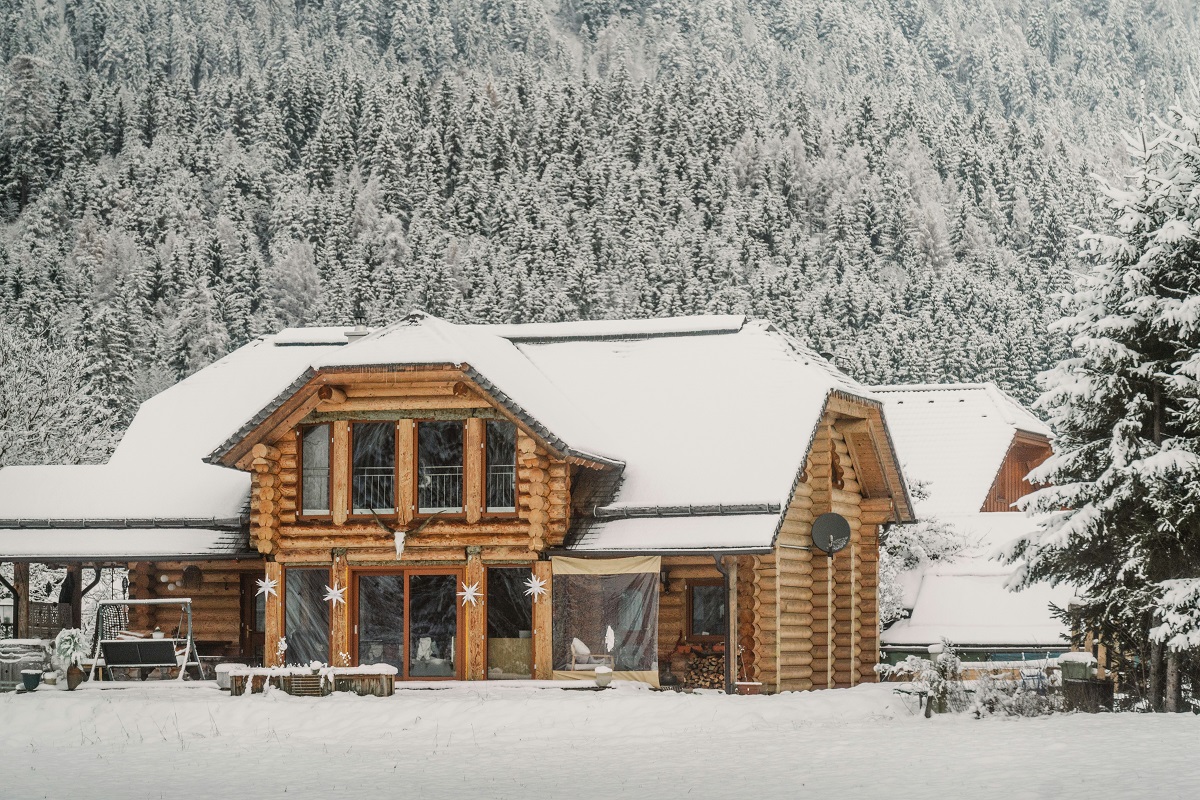
The outside of your home takes the brunt of a winter storm, and new owners often underestimate how much maintenance the yard and roof demand. Heavy snow on a weak gutter, ice damming at the roofline, or a tree limb hanging over the driveway can all cause serious damage. Spend an afternoon walking the perimeter before the first snowfall.
Trim any branches that hang over the roof, driveway, or power lines. Clean the gutters thoroughly so melting snow has somewhere to go. If the gutters are clogged, water backs up under the shingles and leaks into the attic. Check that downspouts direct water well away from the foundation.
Snow removal is another underestimated hazard. The Hanover Insurance Group notes that more than 10,000 people visit emergency rooms annually because of shoveling injuries, ranging from back strain to heart attacks. Push snow instead of lifting it when possible, take breaks, and consider a lightweight ergonomic shovel. If you have any heart concerns, hire a neighborhood teenager or a plowing service instead.
For anyone still in the first few months of homeownership, broader resources on tips for moving in winter post move maintenance for your new home can help you stay on top of seasonal upkeep you may not have thought about yet.
Protecting Household Safety From the Inside Out
Staying warm indoors is more complicated than it sounds. The National Weather Service points out that roughly one in five cold-related winter deaths happen inside the home, often because of inadequate heating, improper use of alternative heat sources, or simply not dressing warmly enough while the thermostat is turned down to save on bills. A new house can feel deceptively warm during the day and drop sharply overnight once the sun stops hitting the south-facing windows.
Keep a thermometer in the coldest room of the house. If the temperature in any bedroom drops below 65 degrees at night, add a draft stopper at the door and heavier curtains at the window. Layer rugs over cold floors, especially in older homes with uninsulated basements. Small adjustments add up quickly.
Food safety matters too. If the power goes out, a full freezer will hold its temperature for about 48 hours if the door stays closed. Group items tightly together to help them stay cold longer. Keep a cooler and ice packs on hand for refrigerated items you’ll need to access during an extended outage.
Build a Communication Plan Before You Need One
New neighborhoods mean new unknowns. You may not yet know which neighbors have generators, who checks on the elderly couple at the end of the street, or how the local emergency alerts work. Sign up for your county’s emergency notification system as soon as you move in. Program the non-emergency numbers for the police department, utility company, and nearest hospital into your phone.
Introduce yourself to at least two neighbors before winter sets in. A quick wave and an exchange of phone numbers can be the difference between weathering a storm comfortably and sitting alone in a dark house wondering who to call. Local Facebook groups and neighborhood apps also tend to light up during storms with road conditions and outage updates.
When Should You Call a Professional?
There’s a line between a repair you can handle and one that requires a licensed pro, and new homeowners tend to guess wrong in both directions. Some try to tackle electrical panel issues they shouldn’t touch, while others pay hundreds for something a screwdriver could have fixed. Learning the difference saves money and prevents injury.
Call a professional immediately for any smell of gas, any flickering caused by the panel rather than a bulb, any ice dam that has already caused interior leaking, and any furnace that cycles on and off repeatedly without warming the house. These are not wait-until-Monday problems. On the other hand, replacing a furnace filter, resetting a tripped breaker, or re-lighting a pilot on a water heater are reasonable tasks to learn as a new owner.
Keep a short list of vetted contractors on the fridge before the storm, not after. Plumbers, electricians, HVAC technicians, and roofers all get booked solid during and after major winter events. The homeowner who called in October gets a same-day appointment. The one who calls during the storm waits a week.
Final Thoughts
Your first winter in a new home is a learning curve, and storms have a way of exposing everything you haven’t gotten around to yet. The goal isn’t to anticipate every possible disaster — that’s impossible even for people who’ve lived in their house for decades. The goal is to handle the predictable risks so you have energy left to deal with the surprises when they come.
Walk your property, label your shutoffs, service your heating system, and build a kit you can find in the dark. Introduce yourself to a neighbor or two. Keep a list of trusted professionals before you need them. These steps take a weekend, maybe two, and they turn a stressful first winter into a manageable one.
Settling into a new home is a long process, and winter is just one chapter of it. Give yourself permission to learn the house gradually, fix what you can, and call for help on the rest. By the time spring arrives, you’ll know which window leaks, which breaker runs the kitchen, and which neighbor plows their driveway at six in the morning. That’s the kind of knowledge that only comes from living through a season — and now you’re ready for it.